Antarctica and the Southern Ocean, integral to the well-being of humanity, offer invaluable advantages. Although their benefits may be perceived as immeasurable, in our market-oriented society, quantifying the economic worth of the environment proves beneficial in rallying support for its conservation. This prompted our recent research, where we meticulously analyzed the economic contributions of Antarctica and the Southern Ocean, encompassing fisheries, tourism, and diverse natural processes essential for the Earth’s functionality.
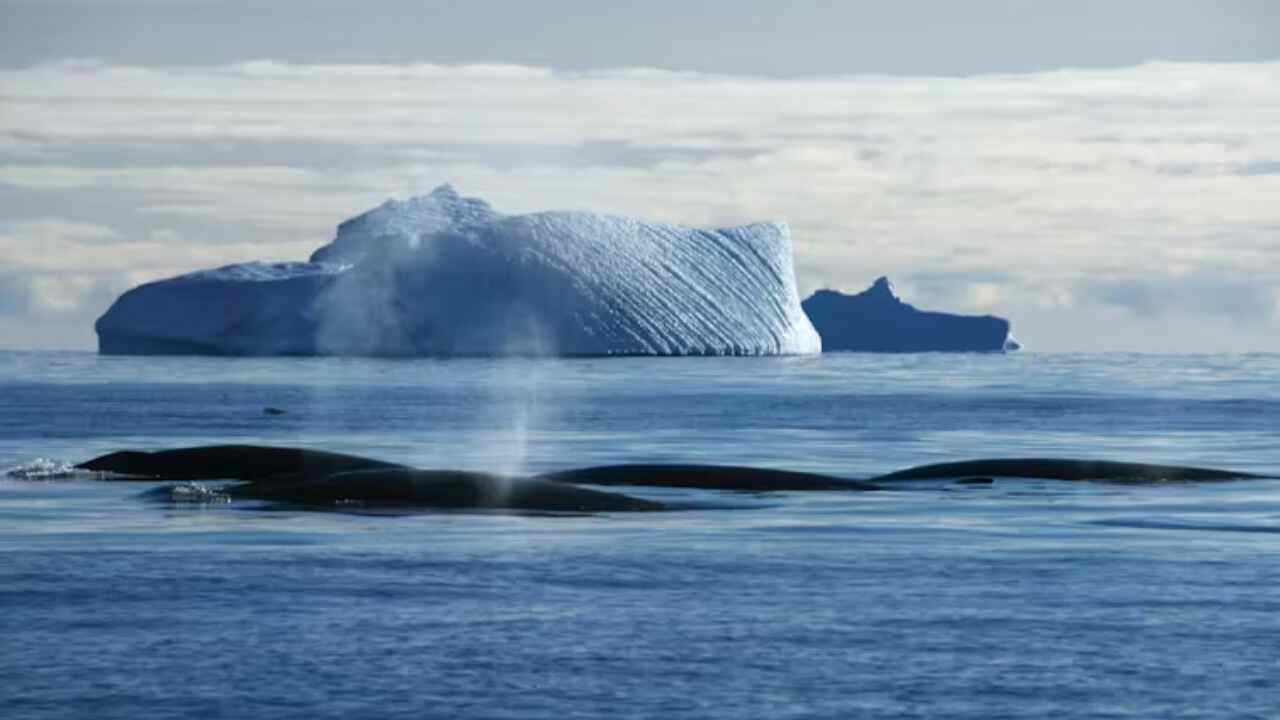
These services are known as “ecosystem services.” For example, the Antarctic ice sheet is a metro stop on a global transport system that sees water sink at the poles, flow north, and then mix upwards in a cycle that lasts 1,000 years. If the ice sheets disappeared, this transport system would dramatically alter. The same is true for the vast array of marine plants, such as algae and phytoplankton, which form the food chain base supporting seabirds and whales. They, too, could be affected if the ocean became warmer and acidic, which is the outcome of human emissions of greenhouse gases.
But there’s a lot more to Antarctica than the ice sheet and the many marine species that call it home. It’s also a place of tremendous scientific interest and has been the site of some of humanity’s most exciting explorations. The adventures of Amundsen, Scott, Shackleton, and Byrd are monuments to the human spirit that continue to inspire us today.
- RELATED NEWS: Zombie Star Scarred by Feasting on its Own Planets
Antarctica is the front line of the battle against climate change and other global challenges. The region is already vulnerable to many threats, including overfishing and increased tourism.
Antarctica is protected mainly by the 1959 Antarctic Treaty, which limits commercial tourism to operators from countries that are signatories. This is good, but it needs to fully address the broader threats affecting the continent and the surrounding seas. These include climate change, overfishing, and invasive species.
The Antarctic has a unique opportunity to lead the global response to climate change and ocean acidification. But its ability to do so will depend mainly on its capacity to maintain the ecological functions that it provides for all of humanity. We need to ensure that the activities of humans do not further compromise this critical area – and by our failure to plan for those consequences adequately.
We owe it to Antarctica and all the other parts of our magnificent planet to take action now.