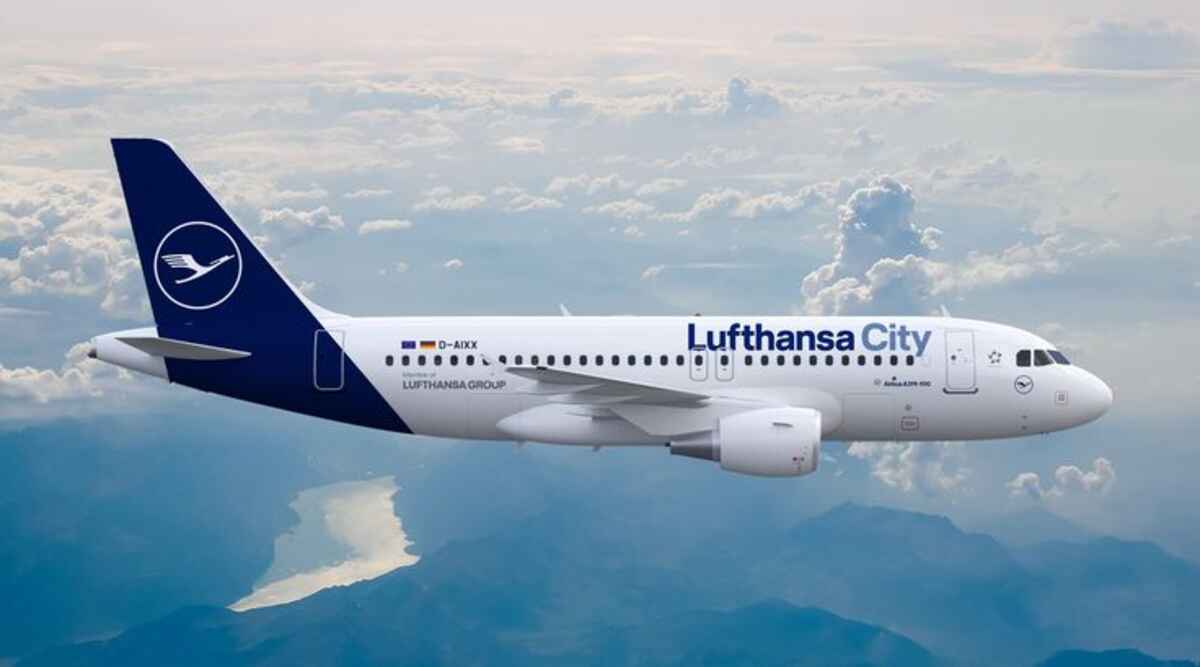
German airline giant Lufthansa Group announced a significant schedule overhaul on April 22, 2026, revealing plans to cancel approximately 20,000 short-haul flights across its European network through October. The move, which equates to roughly 1% of the group’s total summer passenger capacity in available seat kilometers, aims to conserve more than 40,000 metric tons of jet fuel amid a sharp escalation in energy costs linked to the ongoing Iran conflict.
Jet fuel prices have roughly doubled since the outbreak of hostilities, with global supplies strained by disruptions in the Strait of Hormuz and broader Middle East tensions. Europe, as one of the largest consumers of jet fuel routed through the region, has felt the impact particularly hard. Many previously marginal short-haul routes have become unprofitable, prompting Lufthansa to accelerate capacity adjustments and focus on higher-yield operations.
The cuts primarily target less profitable short-haul connections feeding major hubs in Frankfurt and Munich, though they extend across the group’s six European hubs including Zurich, Vienna, Brussels, and Rome. The reductions incorporate the earlier closure of regional subsidiary Lufthansa CityLine, with 27 aircraft retired ahead of schedule due to elevated fuel expenses and additional labor-related burdens. Lufthansa Airlines, Austrian Airlines, Brussels Airlines, SWISS, and ITA Airways will all see adjustments in their summer schedules as part of a broader network consolidation.
This decision reflects wider challenges facing the aviation sector. Several carriers have already signaled caution in capacity planning for the peak summer season, with rising operational costs squeezing margins on regional routes where fuel can account for up to 30% of expenses. While Lufthansa had hedged a portion of its fuel needs, the rapid price surge has erased profitability on numerous intra-European flights, forcing a strategic rethink.
Travelers may face fewer options on certain regional routes, though the group emphasized that overall capacity reduction remains modest. Some destinations, such as Bydgoszcz and Rzeszów in Poland, have been temporarily removed from the schedule. Lufthansa plans to release its full updated summer timetable by the end of April, providing clearer details on affected services and potential alternatives for passengers.
In a parallel development on the geopolitical front, the European Union took decisive action to support Ukraine’s economy and defense capabilities. On April 23, 2026, the EU Council formally finalized a €90 billion ($105 billion) loan package for Ukraine, unlocking critical funding after months of diplomatic negotiations. The loan, agreed in principle by European leaders in December 2025, will cover approximately two-thirds of Ukraine’s projected budgetary and military needs for 2026 and 2027.
Half of the total amount — €45 billion — is earmarked for disbursement in 2026, with the remainder following in 2027. Of the annual allocation, roughly €28 billion will support defense industrial capacity and military requirements, while €17 billion addresses general budgetary needs to maintain public services and economic stability. Ukrainian President Volodymyr Zelenskyy welcomed the breakthrough, urging rapid release of the first tranche by May or June to prevent fiscal shortfalls.
The package is funded through EU borrowing on capital markets and backed by the EU budget, with the understanding that future Russian reparations could offset repayment obligations. Its approval coincided with the adoption of the EU’s 20th sanctions package against Russia, signaling continued unified support for Kyiv amid the prolonged conflict.
Together, these developments highlight the interconnected nature of global energy markets, aviation operations, and international aid efforts. Rising fuel costs stemming from Middle East instability are reshaping airline strategies and summer travel plans across Europe, while the EU’s substantial financial commitment aims to bolster Ukraine’s resilience through the challenging period ahead.
As summer approaches, passengers booking Lufthansa Group flights are advised to check updated schedules and monitor communications regarding any changes. The airline industry’s response to sustained high energy prices may foreshadow further adjustments from other carriers in the coming weeks, potentially influencing ticket prices and route availability throughout the season.