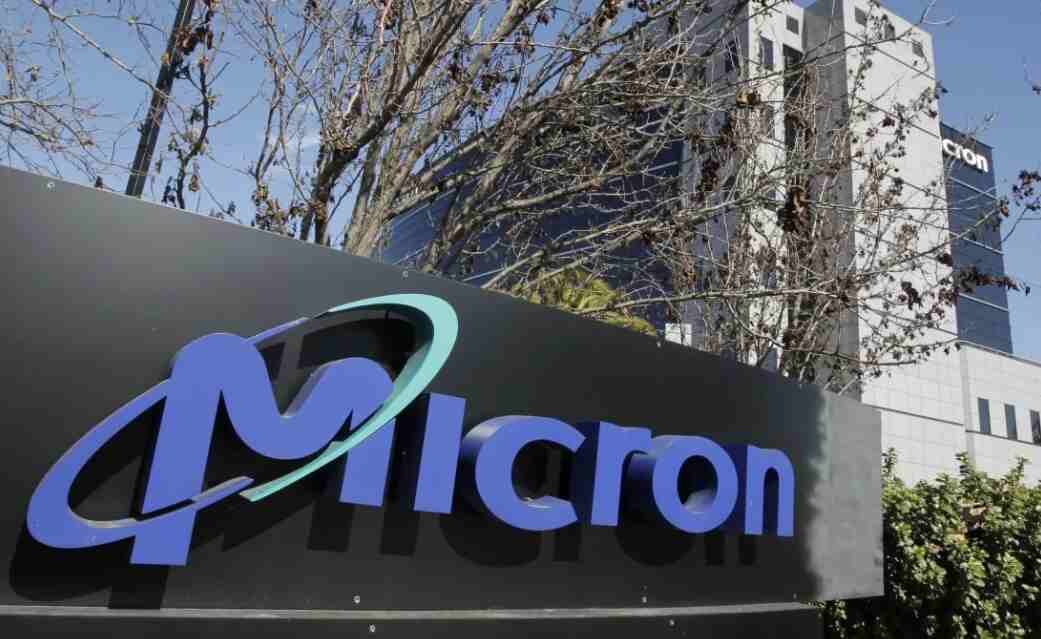
The US Department of Commerce has finalized a $6.1 billion subsidy for memory chip maker Micron Technology, according to a White House statement on Tuesday. This funding also opens the door to additional support for constructing multiple domestic semiconductor facilities. The investment, consistent with the amount announced in April, represents one of the largest government allocations to chipmakers under the US CHIPS and Science Act. The initiative aims to strengthen America’s semiconductor manufacturing capabilities and reduce reliance on foreign suppliers, particularly from China.
The Micron deal, which will fuel up to $125 billion in investments across the company’s new plants in Syracuse, New York, and Boise, Idaho, over two decades, underscores the Biden administration’s commitment to pushing ahead with chip subsidies. Chip subsidies are the centerpiece of a larger plan to bolster manufacturing in the United States. The move counterbalances Republican President-elect Donald Trump’s plans to withdraw from the CHIPS program.
In addition to the chip grant, Micron will receive additional federal tax breaks and state incentive payments that are still being negotiated in private. According to Good Jobs First, a Washington, D.C.-based watchdog group that tracks government incentive packages, the deal could end up being one of the richest in history.
Micron is set to open its first plant in the Central New York town of Clay in 2023 to make DRAM chips—used in items like cell phones and automobiles—only about 2% of which are currently made in the United States. According to state officials, the project is expected to create 9,000 direct jobs and up to 40,000 supply chain jobs.
It is the latest of several big grants that the Obama administration has made to boost US chip production and thwart Chinese efforts to dominate artificial intelligence, an area in which the US is seen as vulnerable. Earlier this year, the Commerce Department awarded $8.5 billion to Intel Corp and $6.6 billion to Taiwan Semiconductor Manufacturing Co to fund US factories. The Obama administration also imposes strict new curbs on China-bound shipments of advanced memory chips to train artificial intelligence systems and other high-end applications.
Congressional lawmakers in both parties have pushed for more incentives for the chip manufacturing industry as part of a package to boost American production and limit Beijing’s rise in artificial intelligence. That legislation awaits the signature of Trump, who has backed off from imposing tariffs on Chinese chips and promised to work with lawmakers to develop an incentive program. The administration has earmarked more than $39 billion for the program and is expected to award the rest of the money in the coming weeks and months as it completes due diligence on each proposal. Manufacturing Dive is tracking the status of each award funded by the CHIPS Act.