
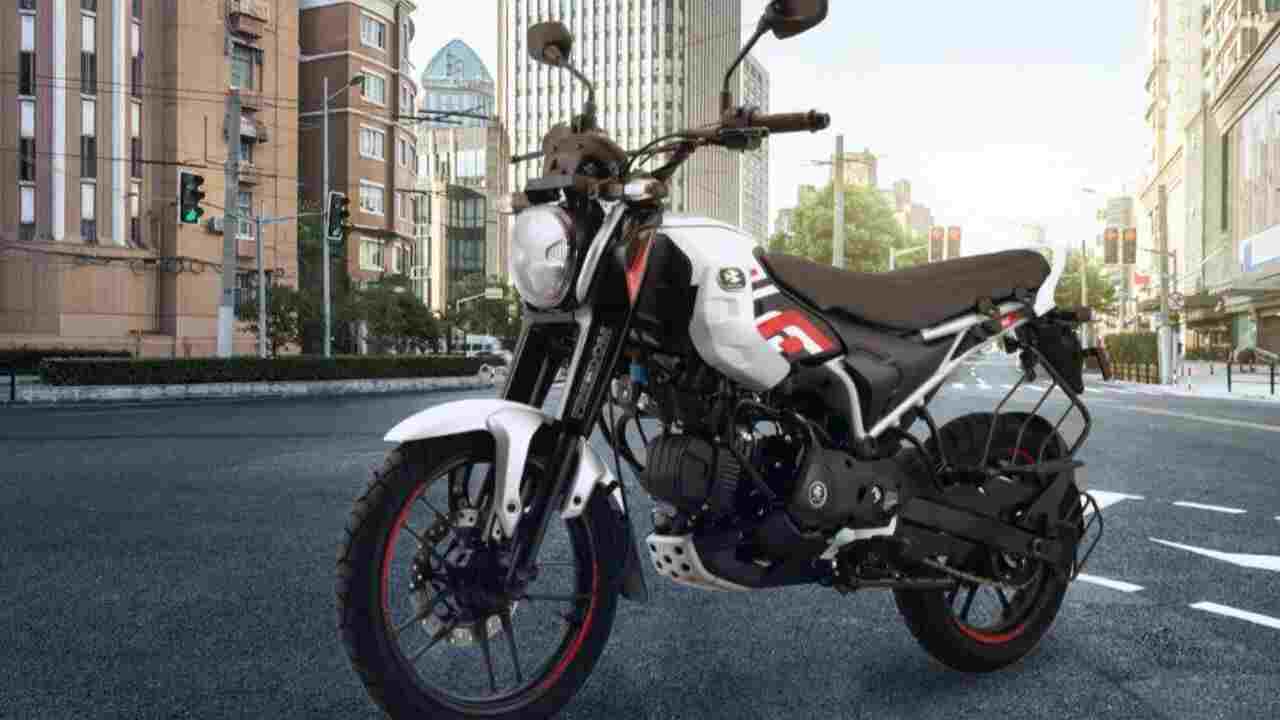
Bajaj Auto, a household name in the Indian motorcycle industry, caused a stir in 2016 with the launch of the Freedom 125. This wasn’t just another commuter motorcycle but a groundbreaking innovation – the world’s first commercially available CNG-powered motorbike. This marked a significant shift in the two-wheeler landscape, promising reduced fuel costs, lower emissions, and potentially a new chapter in eco-friendly transportation.
Freedom from High Fuel Costs:
The Freedom 125 was designed with a clear goal in mind: to make riding more economical for everyday commuters. India, heavily reliant on motorcycles for transportation, often grapples with fluctuating fuel prices. CNG, a cleaner-burning and cheaper alternative to petrol offered a solution. Bajaj claimed that Freedom could cut fuel expenses by a staggering 50% compared to its petrol-powered counterparts. This translated to significant savings for riders, particularly those who rely on their bikes for daily commutes or work.
Dual-Fuel Functionality and Extended Range:
The Freedom 125 was an only some-or-nothing CNG proposition. Bajaj equipped it with a dual-fuel system, allowing riders to switch between petrol and CNG seamlessly using a handlebar-mounted switch. This provided flexibility for long journeys or situations where CNG stations might be scarce. The bike boasted a 2-liter petrol tank and a 2 kg CNG cylinder. While the petrol tank offered a claimed mileage of 65 kilometers per liter, the CNG extended the range. With a claimed efficiency of 102 kilometers per kilogram, the CNG tank offered a potential range of 204 kilometers. Combining both fuels, the Freedom promised a travel range of a staggering 330 kilometers, making it suitable for even extended trips.
Design and Safety Considerations:
Bajaj ensured the Freedom 125 didn’t scream “CNG experiment” in its design. The 2 kg CNG cylinder was cleverly integrated beneath the seat, maintaining a sleek and contemporary look. The bike came in three variants, with the top-end model featuring an LED headlamp and a disc brake for added safety.
Safety was a paramount concern when dealing with CNG technology on two wheels. Bajaj addressed this by using a high-strength steel CNG tank and subjecting it to rigorous testing, including simulating a truck running over the bike. The results were reassuring, with the tank showing no signs of leakage or deformation.
A Pioneering Step, But Questions Remain:
The Bajaj Freedom 125 undoubtedly marked a significant step towards cleaner and more economical motorcycle transportation. However, there were challenges. The initial launch was limited to Maharashtra and Gujarat, states with a more established CNG infrastructure. The availability of CNG stations across India remained a hurdle for widespread adoption. Additionally, the initial cost of the Freedom was slightly higher than that of some conventional petrol motorcycles.
A Catalyst for Change?
Despite the initial limitations, the Freedom 125 sent a powerful message. It demonstrated the potential of CNG technology in the two-wheeler segment and its ability to address fuel cost concerns and environmental impact. While Freedom’s long-term success story remains unwritten, it has undoubtedly catalyzed further innovation in CNG-powered motorcycles. With the continued development of CNG infrastructure and potentially lower production costs, Freedom might pave the way for a greener and more economical future for motorcycle transportation in India and beyond.