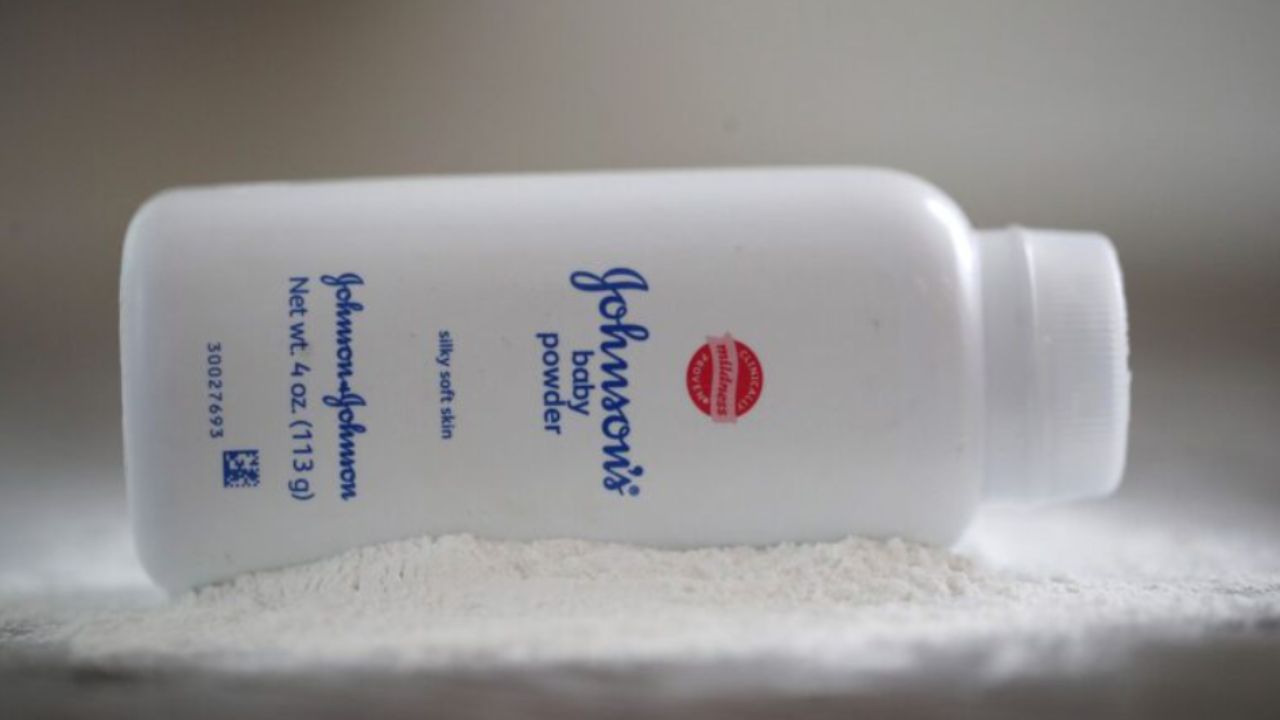
On Tuesday, a New Jersey appeals court threw out a $223.8 million verdict against Johnson & Johnson (JNJ.N) that a jury had awarded to four plaintiffs who claimed they developed cancer from being exposed to asbestos in the company’s talcum powder products. The Superior Court of New Jersey, Appellate Division, found that a lower court judge should not have allowed some of the scientific expert testimony the plaintiffs presented to jurors at trial.
The judges said the trial court did not properly fulfill its “gatekeeping role” by assessing whether the plaintiffs’ experts based their opinions on sound science. In reversing the verdict, the judges ordered a new trial. The initial jury had ordered the company to pay $37.2 million in compensatory damages and $750 million in punitive damages, although those sums were automatically reduced to $186.5 million under state law.
J&J lawyers argued that the experts failed to explain how they arrived at their conclusions. They also argued that the trial judge needed to understand the law on properly evaluating expert testimony. J&J also argued that the expert’s evidence was tainted by bias because plaintiffs’ attorneys had paid them in other cases.
Judges are expected to consider those arguments in a hearing later this month. If the appeals court decides that the original trial did not meet legal standards, it would set aside the verdict and order a new one.
A J&J lawyer praised the decision, saying it “resoundingly rejects junk science advanced by purported ‘experts’ paid by the mass tort asbestos bar.” Erik Haas, J&J’s vice president of litigation, added that the court’s ruling would allow trials on hold while J&J filed for bankruptcy to resume. The company says the cost of talc-related verdicts, settlements, and legal fees has reached about $4.5 billion.
The ruling comes in the wake of a judge’s decision in July to throw out J&J’s attempt for a second time to move thousands of talcum powder lawsuits into bankruptcy court, where the company hopes to resolve them through a proposed $8.9 billion settlement. A court ruled that J&J mishandled the bankruptcy process by having its LTL Management subsidiary file for protection from creditors and that it did not prove its case that it did not contribute to ovarian cancer and mesothelioma from the use of its talc powder products.
J&J has said that it is assessing other options to resolve the thousands of talc lawsuits. Those options include settling individual claims or negotiating with law firms representing talc victims.
Anyone diagnosed with ovarian cancer or mesothelioma after using J&J’s baby powder, bathing powder, or other talcum-based cosmetic products should contact us for a free legal consultation. We have years of experience helping people file talcum powder mesothelioma lawsuits against the world’s largest drug and consumer goods maker. Our firm’s attorneys are committed to fighting for justice for victims of toxic exposure and defective medical devices.