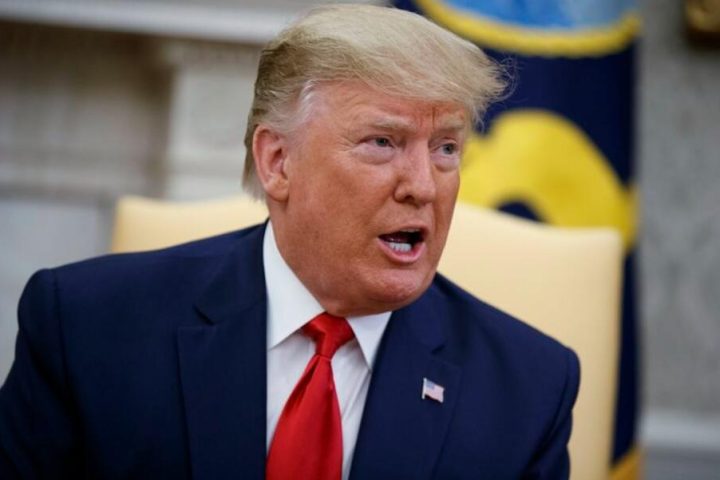

Bitcoin continues to demonstrate remarkable resilience, clinging tightly to the $68,000 level as global markets brace for potential escalation in the US-Iran standoff. On April 7 and 8, 2026, the world’s leading cryptocurrency hovered around $68,000 to $68,500 despite mounting geopolitical tensions triggered by President Donald Trump’s firm deadline for Iran. Traders watched closely as the 8 PM EST cutoff approached, with some reports indicating the possibility of significant developments that could reshape energy markets and risk sentiment worldwide.
The price action reflects a classic risk-off environment. Bitcoin briefly touched above $70,000 in recent sessions before retreating, erasing earlier gains as investors weighed the implications of heightened Middle East conflict. Oil prices surged amid fears of disrupted shipping routes through critical chokepoints, adding further pressure on broader financial assets. While traditional markets showed caution, Bitcoin’s ability to defend the key psychological and technical support near $68,000 — close to its 200-week exponential moving average — has caught the attention of analysts.
Market observers note that this consolidation phase comes after a volatile start to April. Bitcoin had climbed modestly in early sessions on hopes of a potential ceasefire but quickly reversed course as Trump’s rhetoric intensified. At one point, the cryptocurrency dipped as much as 2.2 percent intraday, reflecting broader caution across digital assets. Ethereum and other major tokens followed similar patterns, with total crypto market liquidations exceeding $230 million in a single day.
Despite the jitters, Bitcoin’s long-term supporters remain optimistic. The asset has repeatedly proven its value as a hedge during periods of uncertainty, though its correlation with risk assets has increased in recent years. Institutional players, including those accessing new Bitcoin ETFs, appear to be monitoring the situation closely rather than rushing for exits. Morgan Stanley’s recent Bitcoin ETF launch has also provided fresh entry points for traditional finance participants, potentially cushioning downside moves.
Technical indicators paint a mixed but watchful picture. The $68,000 zone acts as crucial support, with analysts highlighting the risk of a sharper drop toward $65,000 or lower if geopolitical headlines worsen dramatically. On the upside, a decisive break above $70,000 could open the path toward $75,000 in the near term, especially if de-escalation signals emerge from diplomatic channels. Volatility remains elevated, and traders are bracing for sharp swings as the deadline passes and new information surfaces.
Broader context reveals Bitcoin’s maturing role in global finance. Even as traditional safe havens like gold and the US dollar attract flows, cryptocurrency markets continue to draw attention for their 24/7 trading and potential as an alternative store of value. The ongoing Iran situation has spotlighted how external shocks can influence crypto sentiment, yet the relatively stable holding pattern near $68,000 suggests underlying strength among holders.
As the situation develops, market participants will keep a close eye on oil prices, equity futures, and any official statements from Washington or Tehran. A peaceful resolution could spark a relief rally across risk assets, potentially pushing Bitcoin toward fresh weekly highs. Conversely, any escalation might test lower supports and increase short-term volatility.
For now, Bitcoin’s steady stance near $68,000 amid Iran deadline jitters highlights both its vulnerability to macro events and its enduring appeal to investors seeking exposure beyond traditional markets. With integration of crypto into mainstream finance accelerating through ETFs and institutional adoption, the coming days could prove pivotal in determining whether this support level holds firm or gives way to deeper corrections. Crypto enthusiasts and institutional players alike will be watching every headline as the world awaits clarity on the US-Iran tensions.