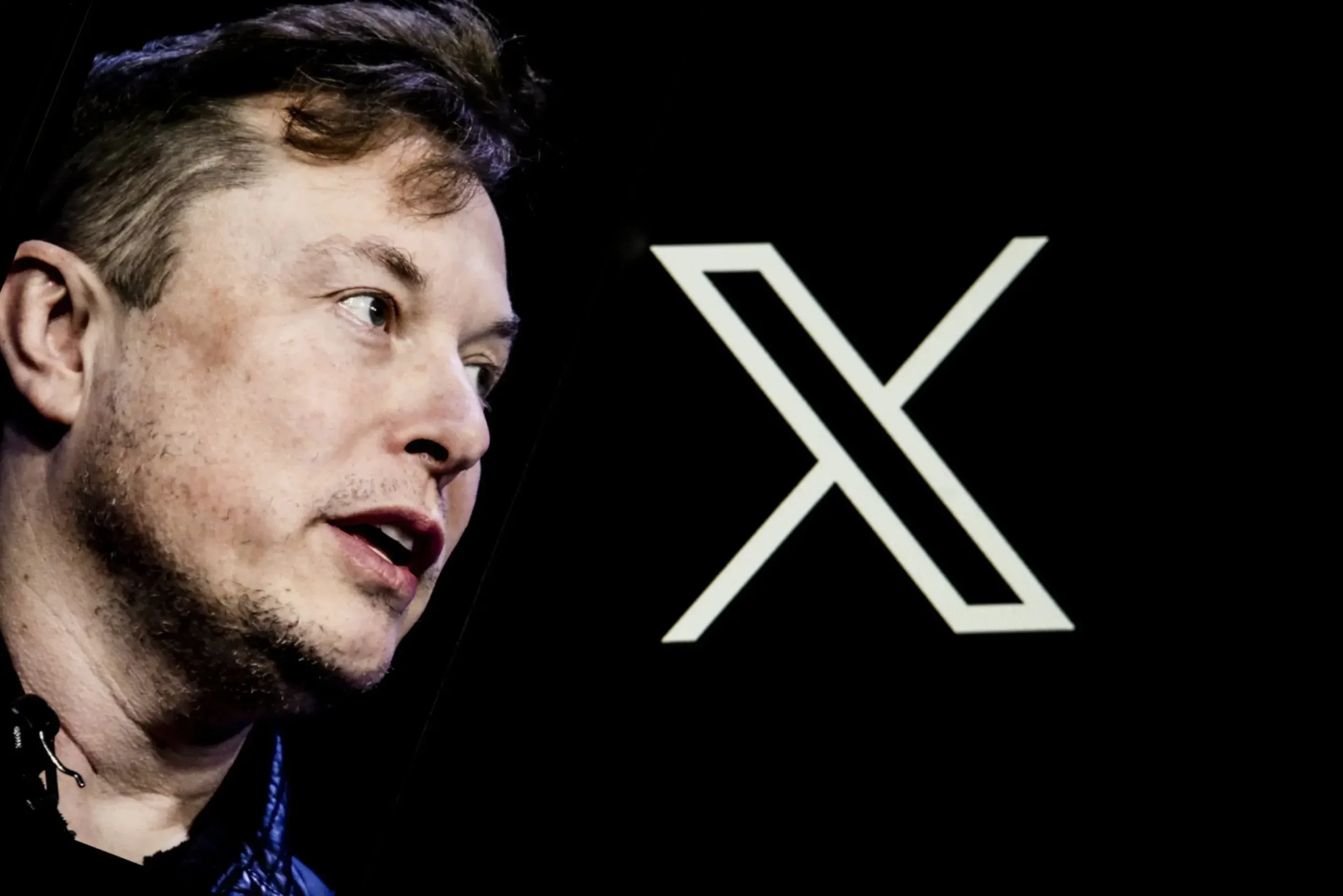
After his takeover of Twitter and renaming the social media micro-blogging site as X, Elon Musk, on Thursday, announced that X would soon see features like audio and video calls integrated into the platform. The feature will be compatible with Android, iOS, PC and Mac. As Musk stated, the calls can be made without any phone number. This set of factors makes the feature stand out among all others available in the market.
The move aligns with a vision of turning X into an “everything app,” akin to China’s WeChat. The CEO of electric car maker Tesla Inc. and space exploration firm SpaceX has signaled that he will roll out features to compete with rivals, such as WhatsApp. The new X features will allow users to call and video chat with one another inside the platform’s Direct Message menu.
A teaser of the incoming functionality was published in July by X designer Andrew Conway, who shared screenshots showing a calling option prominently displayed within the DM menu. Upon activation, the user will be prompted to choose the audio or video option from an interface similar to other apps such as WhatsApp and Skype.
Musk tweeted that the new X features will work seamlessly across all platforms and devices. Moreover, the communication will work based on user names rather than phone numbers, making X a compelling global address book. The CEO didn’t reveal a timeline for the launch of this new feature.
The new X features are the latest in a series of changes the company has rolled out over the last few weeks. In addition to the audio and video calling options, the company has allowed premium subscribers to share videos for up to 2 hours, upgraded its live broadcasting capabilities, introduced a new immersive video player for mobile devices, and more.
Despite the new features, many users have expressed concern over the company’s direction under Musk’s ownership. In recent weeks, the CEO has restructured the company’s product team and changed how news links appear on the platform in a way that could undermine the reach of some news publishers. He has reportedly told investors that he’d cut 75% of Twitter’s headcount, though he has since reassured employees.
The CEO’s reshaping of the company has been polarizing, but his plans for the future of Twitter are even more ambitious than before. Musk, a self-described free speech absolutist, has vowed to make Twitter an open platform that allows for a broader range of content while defending the freedom of expression on the site. He has been pushing to bring back banned users such as Donald Trump and has suggested that he wants to turn the app into a multi-purpose super application akin to Tencent’s WeChat in China. Whether those ambitions will come to fruition remains to be seen.