The conflict between Lebanon and Israel has entered a dangerous new phase in March 2026, with escalating cross-border strikes turning the region into one of the most volatile flashpoints in the world. What began as retaliatory exchanges has now evolved into a large-scale military confrontation involving airstrikes, ground operations, and mass displacement of civilians.
The latest escalation is closely tied to the broader Middle East crisis involving Iran. Hezbollah, the Iran-backed militant group based in Lebanon, launched rockets into northern Israel in response to earlier US and Israeli strikes on Iranian targets. This triggered a powerful military response from Israel, which has since expanded into widespread operations across southern Lebanon.
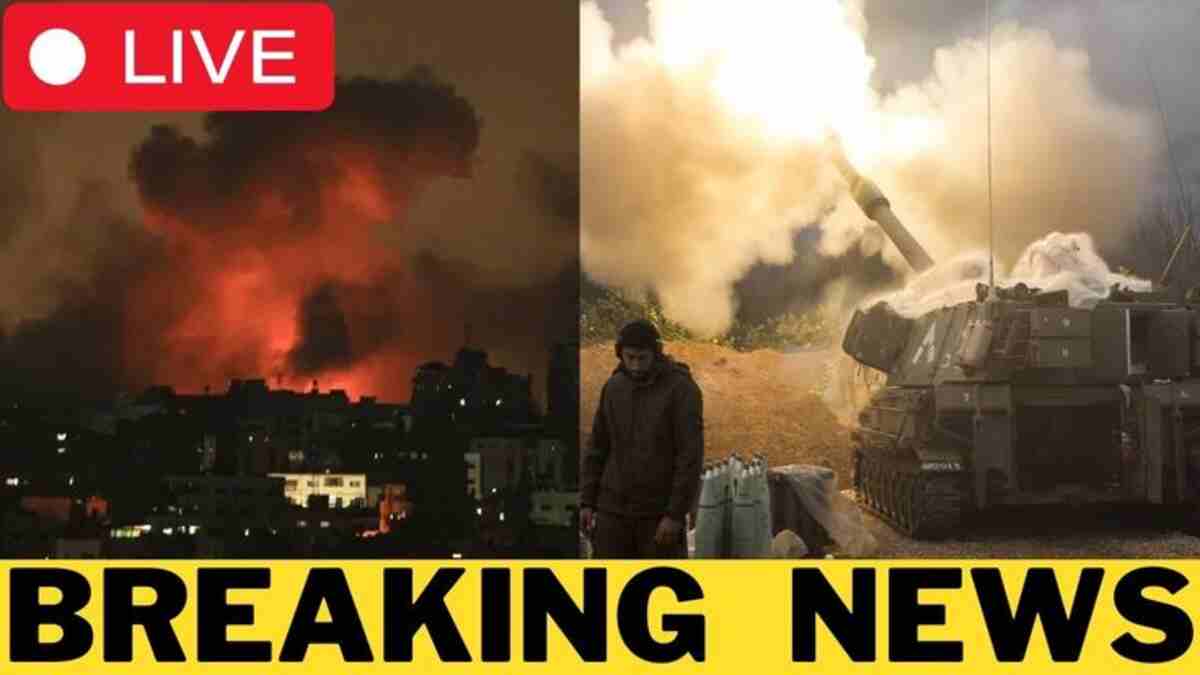
Israel has intensified its campaign with heavy airstrikes targeting cities, infrastructure, and suspected Hezbollah strongholds. Key locations such as Tyre and parts of Beirut have witnessed repeated bombardments, leaving buildings destroyed and entire neighborhoods abandoned. In some areas, evacuation warnings have been issued, forcing residents to flee with little time to prepare.
One of the most significant developments in this conflict is Israel’s plan to establish a “buffer zone” inside southern Lebanon. This zone, expected to extend up to the Litani River, is intended to prevent Hezbollah from launching attacks near the Israeli border. Israeli leadership has framed this move as a defensive strategy, but it represents a major territorial and military escalation that could prolong the conflict.
The human cost of this escalation is already severe. Reports indicate that over one million people in Lebanon have been displaced as airstrikes and ground operations continue. Cities like Tyre have been nearly emptied, with residents fleeing toward Beirut or other safer regions. At the same time, thousands have chosen to remain despite the risks, unwilling to abandon their homes even as destruction spreads.
Casualties are rising on both sides, but Lebanon has been particularly hard hit due to the intensity of the strikes. Infrastructure damage has made it difficult for aid and emergency services to reach affected areas. Bridges have been destroyed, roads cut off, and supply chains disrupted, worsening the humanitarian situation.
The crisis is now extending beyond immediate military impacts into a broader humanitarian emergency. Health systems in Lebanon are under immense strain, with hospitals struggling to treat the wounded amid shortages of supplies. The World Health Organization has warned that the conflict is disrupting medical aid routes and could lead to a major health crisis across the region.
Adding to the complexity is Hezbollah’s continued resistance. The group has claimed attacks on Israeli military assets, including tanks and border positions, signaling that it is prepared for prolonged conflict. This ongoing exchange of fire has created a cycle of retaliation that is becoming increasingly difficult to contain.
The situation is further complicated by international dynamics. The conflict is no longer isolated to Lebanon and Israel but is part of a larger geopolitical struggle involving Iran and global powers. This raises fears that the crisis could expand into a wider regional war if tensions continue to rise.
Despite growing international concern and calls for a ceasefire, there are few signs of de-escalation. Military operations remain active, and both sides appear committed to their objectives. Israel continues to target Hezbollah infrastructure, while Hezbollah maintains its attacks in solidarity with Iran.
The Lebanon-Israel conflict of 2026 is not just another border clash but a rapidly intensifying crisis with global implications. It highlights the fragile balance of power in the Middle East and the devastating consequences when that balance breaks.
As the situation unfolds, the world is watching closely. The coming weeks will be critical in determining whether this conflict can be contained or whether it will spiral into a broader regional war with far-reaching consequences.