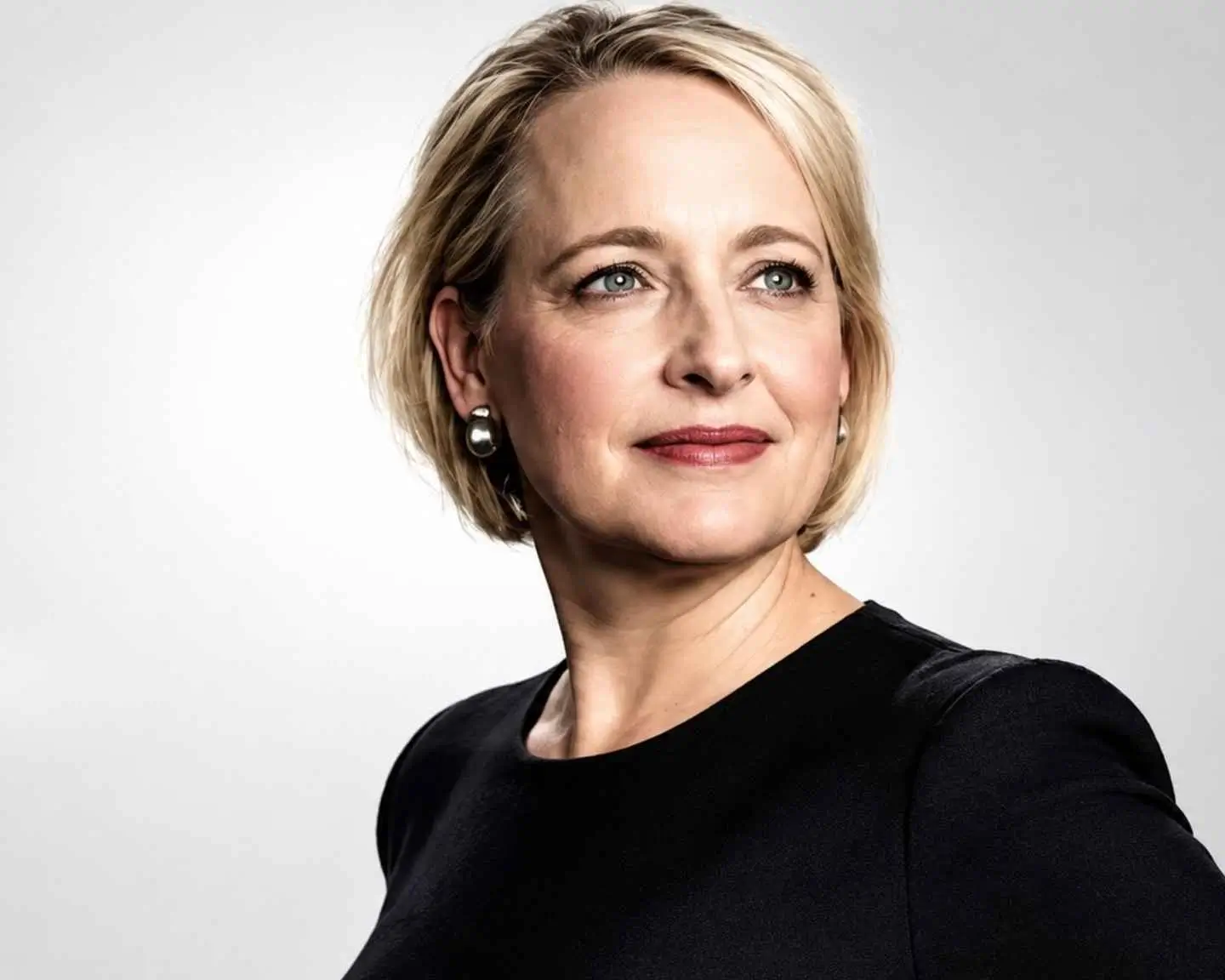
It is difficult to find anyone who has taken a more unusual journey to their current position than Julie Sweet at Accenture. Rather than the typical consultant or engineer, she was a corporate lawyer for almost twenty years. Afterwards, she entered the world of technology and rose to the top of the company in less than a decade. The lesson is that judgment, credibility, and the ability to simplify issues have the same importance as experience in a sophisticated field.
Julie Spellman was born in 1967. She graduated from Claremont McKenna College with a bachelor’s degree and obtained her law degree at Columbia Law School. She started working for Cravath, Swaine & Moore, the prestigious New York law firm that has served world-famous clients. She worked there for seventeen years, ten of which were spent as a partner. The work was hard, but it taught her how large companies function.
In 2010, she did something surprising for a lot of her peers. Her client, Accenture, made her its general counsel, secretary, and chief compliance officer. That position immediately put her into the core of the company’s governance and strategy, and she quickly became an influential voice in the company’s decision-making processes. She collaborated with then-CEO Pierre Nanterme on Accenture’s strategy in relation to acquisitions, which would become one of the strategies Accenture uses to develop skills in digital, cloud and security services.
Her credentials as an operator came in 2015, when she was named the CEO of Accenture’s North America business, which was by far the largest market for the company. Moving from her legal and compliance position to becoming an executive managing a very large revenue-producing market was a major challenge, and she silenced all of her critics who thought of her as a back-office executive and not a line executive. She was responsible for the clients, talent and development of the region, which produced revenue of approximately $18 billion per year.
Related:
- Reshma Saujani: The Entrepreneur Closing the Gender Gap in Tech and Rethinking the Future of Work
- 10 Visionary Women Leaders Shaping the Future of Business and Innovation
- Grace Arzuza Mendoza Colombian Model Creating a Fitness Business Beyond the Feed
- Sol Rashidi: The AI Strategist Bringing Enterprise AI From Hype to Execution
And then came the crisis. Nanterme had stepped down early in 2019 due to a serious health issue and passed away soon afterwards, thus creating a void of leadership for a company with hundreds of thousands of staff. David Rowland was the interim CEO, while in July 2019 the Board appointed Sweet as the CEO and she took the reins that month to become the first female CEO of Accenture. In September 2021 she got another title – Chair, thus further cementing her leadership within the company.
Throughout her tenure, Sweet has been a fierce proponent of the ‘human’ element in corporate strategy. She has been a vocal supporter of workforce diversity and inclusivity and of substantial investments in education for employees, stating that the successful implementation of technological changes is possible only with the right personnel in place. The latter point has seemed especially relevant nowadays as all kinds of companies across the world are trying to cope with automation and artificial intelligence and she has managed to turn Accenture into an adviser rather than a supplier of the solutions to these problems.
Outside the firm, she sits on the board of trustees of the World Economic Forum and some other non-profit boards of directors such as the Center for Strategic and International Studies and a foundation that assists youth with disabilities in transitioning to employment from school life. Sweet has been listed in TIME’s Most Influential People in the World and the most powerful women in business according to the Fortune and Forbes lists. In her personal life, she got married to Chad Sweet in 2004 and has two children.
It is remarkable about Sweet’s success story that it is consistent and subtle in nature. Sweet made her reputation through preparation, clear thinking, and readiness to step into positions which might be seen as a stretch for others. Sweet is a leader whose success in an age where everything changes quickly shows that successful executives aren’t necessarily the most vocal and the most technically-oriented.