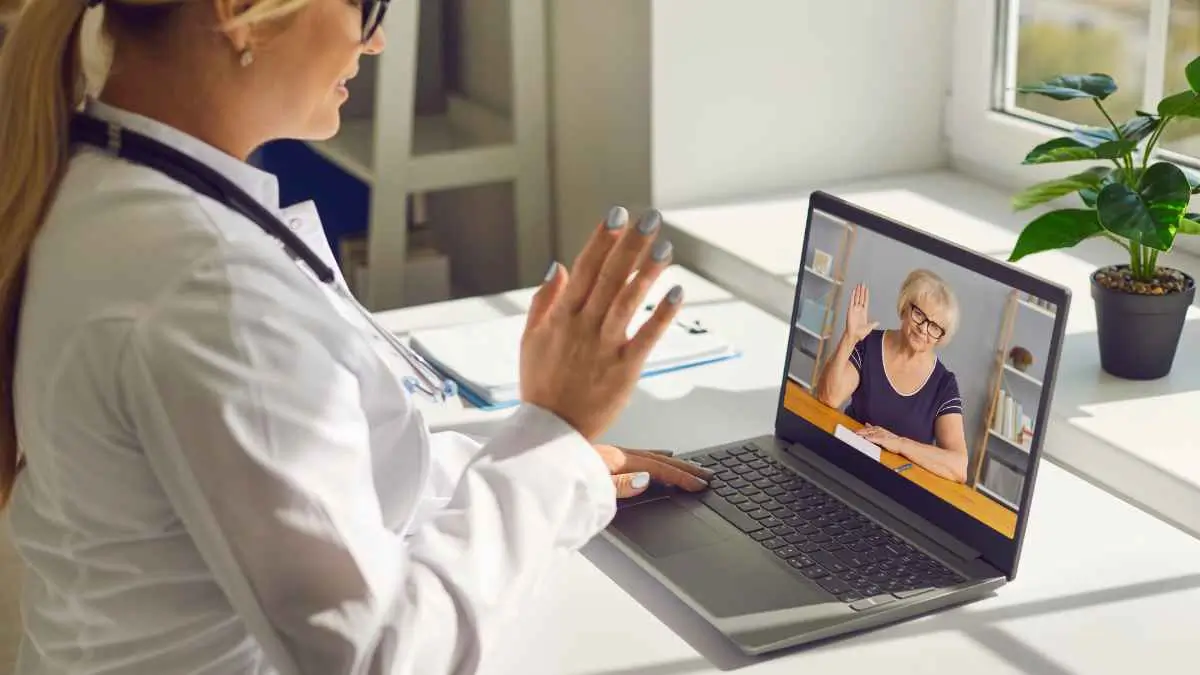
The transformation of the healthcare system is taking place, with technology being used for making changes in the way in which patients interact with the healthcare system, manage their chronic diseases, and consult with healthcare specialists. Telehealth is becoming an integral part of the healthcare delivery system, connecting people and offering opportunities to deliver services that can be provided remotely, thus removing any geographical restrictions.
Nevertheless, the revolution of the healthcare system does not end with making things convenient. The true potential of telehealth lies in delivering quality healthcare services and enhancing the relationship between patients and healthcare specialists.
Expanding Access Beyond Traditional Healthcare Settings
The other strength of telehealth is that it can provide medical services not only in the usual clinical settings but far from it. Patients who live in remote locations or areas that lack the number of specialists can contact the doctor and get necessary medical advice while staying at their place of residence. This is especially important for elderly people, patients with disabilities, or those who require regular medical checkups.
Teleconsultation can save a patient money by eliminating the necessity of travel expenses. Also, it can save a person a lot of time that could be spent either on traveling itself or waiting for a doctor. Moreover, it can relieve the burden of healthcare facilities by using virtual appointments for appropriate patients.
Key idea: Telehealth can overcome certain barriers to health access through geography and logistics, however, there are some prerequisites for that.
The Rise of Personalized and Continuous Care
Modern medical practice places emphasis on preventive care and tailored treatment options rather than the mere use of hospital admissions. This change is facilitated through telehealth that allows for frequent interactions between the patient and the healthcare provider.
Telemedicine devices allow collection of different vital signs including blood pressure, heart rate, blood glucose level, and oxygen saturation. They will assist healthcare providers in the detection of any abnormal changes and adjustment of treatment plans. Remote monitoring can be helpful for those patients who have diabetes, hypertension, and certain cardiac conditions. Patients who have chronic diseases can benefit from monitoring because it allows tracking the course of the disease between visits.
The use of digital means can also assist in reminding patients to take medications, follow up after the operation, and manage chronic illness in general. The information obtained will give a larger picture of the patient’s condition to the healthcare provider.
However, technology alone will not make the process better. Clinical oversight, accurate information, and follow-up are still crucial for patient safety.
Artificial Intelligence and the Next Phase of Telehealth
AI has been used to improve digital healthcare through aiding with administration, documentation, symptom checking and analysis of information provided by patients. By implementing AI within the healthcare system it can aid health care professionals by recognising patterns in vast amounts of data and prioritising certain cases. This can be done using Intelligent Scheduling to make organising patient appointments easier, and automatic documentation to reduce time taken by clinicians to document their consultations.
If the models are accurate enough, predictive analytics can help identify patients which may benefit from early intervention. However, there are additional responsibilities when using AI systems. If the algorithms are biased, results are inaccurate and lack transparency it can compromise patient safety. Therefore, health care organisations need to ensure there is still human involvement, keep patient information secure and ensure these tools are using accurate clinical standards. The goal should be to provide healthcare professionals with tools that can help them make better decisions rather than replacing them.
Addressing Privacy, Equity, and Clinical Limitations
There are some challenges of using Telehealth. During appointments it could be inappropriate to do this if the patient needs a physical exam, diagnostic imaging, urgent care or immediate intervention. Clinicians need to make sure they have the knowledge to identify the problems and refer patients to the right services. Confidentiality can also be a problem. When discussing medical issues, health information and sending measurements there needs to be measures in place to ensure that only the correct people know about the patients. Clinicians must ensure they use safe systems to record information, have clear consent processes and follow data protection legislation.
A large barrier to using Telehealth is digital exclusion. If patients do not have a smartphone, stable internet connection, easy access to the system and enough confidence using technology they may not be able to gain much from this. Inclusive Telehealth strategies should ensure that patients can still have traditional forms of care.
Integrating Telehealth Into a Patient-Centered Future
The best healthcare models will use a combination of online, face-to-face, telehealth and integrated clinical records to provide patients with a holistic experience. Providers can use this model to choose the most appropriate method of care. Healthcare organisations should aim to provide training for staff, technology that can work together, clear reporting processes and provide education to patients. Success should be measured through meaningful metrics like patient outcomes, satisfaction, continuity of care, accessibility and cost rather than how many virtual appointments have been delivered.
Conclusion
Telehealth is changing the way we deliver patient care today by making expert healthcare more accessible. For it to be valuable in the long term, it should be considered how it can be implemented. The future of healthcare lies in combining digital technology, clinical expertise, security and compassion. Using telehealth can help us create an important part of a more accessible healthcare system if we can use digital technology effectively.