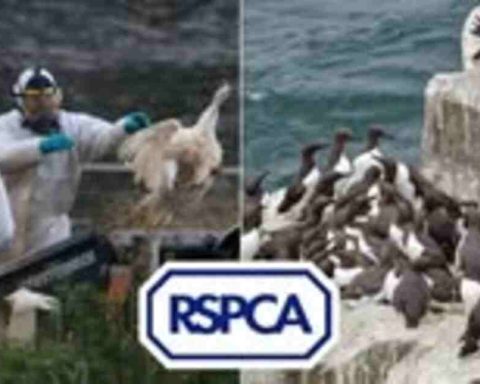

Migratory waterfowl are to blame for widening avian flu outbreaks in Texas cows and poultry, and wild birds carrying the virus should be heading north soon, state Agriculture Commissioner Sid Miller said. The US government has reported cases of the disease in seven dairy herds in Texas since last week, making it the state most affected by the country’s first-ever outbreaks in cattle. It also renewed concerns about highly pathogenic avian influenza, or HPAI, which has wiped out tens of millions of chickens worldwide since 2022 and is now spreading to new mammals, including cattle, for the first time.
Federal officials say the virus was identified in unpasteurized milk from sick dairy cows at herds in Texas and Kansas and a throat swab taken from a cow in a Michigan herd that received cows from Texas. The infected cows have been isolated and have not died.
It’s not clear how the virus spread from dairy cows to humans, but health authorities and egg producer Cal-Maine Foods stressed the risk for the general public is low. They urged consumers to avoid eating raw, unpasteurized milk and poultry to wash their hands often, cover coughs and sneezes, not pick up dead animals or birds, and stay home if sick.
Federal agricultural and health experts believe the virus was introduced to dairy cows by contaminated water or feed on herds containing infected wild birds that had traveled through the area. Cornell University’s Jeff Bender says the virus then spread among cows through contact with each other and possibly from feces.
Scientists are analyzing the genetic sequence of the H5N1 bird flu virus that infected the dairy cow, the second to test positive for the virus in the United States. The virus’s emergence in cows could mean it is evolving or becoming more virulent and challenging to control. Still, CDC Director Dr Nirav Shah said, initial genomic analysis shows no evidence of person-to-person transmission. Current antiviral drugs still work.
Veterinary scientists at several universities are preparing to send teams to assist the infected dairy herds. They will work to contain the outbreaks and help farmers implement prevention practices, such as installing fencing to prevent wild birds from entering herds. They will also monitor herds for signs of a more severe outbreak.
“It’s a lot of work and a very stressful situation for our producers,” Miller said. “But they’re taking it seriously.”
The outbreak has already led to the culling of 1.6 million laying hens by Cal-Maine and caused a delay in deliveries of fresh eggs to stores nationwide. The company has yet to determine when it will be able to resume shipments.
Federal officials on Tuesday outlined new restrictions to limit the movement of chickens and other poultry in a bid to stem the spread of the virus. These restrictions include requiring that all incoming poultry and eggs meet strict new standards. They are also limiting the number of roosters that can be kept on farms and allowing egg production to resume only once the laying hens are fully vaccinated against the virus.