Air India is set to pursue an aggressive fleet expansion that is uncharacteristic for an airline operating in a challenging environment. The outgoing chief executive of the airline Campbell Wilson has informed the staff earlier this week that Air India Group intends to induct five to six aircraft each in the year 2027 and 2028. This decision is an essential element of airline’s strategy of long-term transformation and is Apart from a large fleet-upgrading program.
Speaking during an internal townhall Wilson who will leave the carrier in September, admitted the industry has been hit hard by headwinds. Uncertainty within the geopolitical arena, airspace closures, fuel price volatility and macroeconomic factors on an aggregate level have made it difficult for the industry in total. Routes from India to North America or Europe have sometimes been subject to longer flying times.
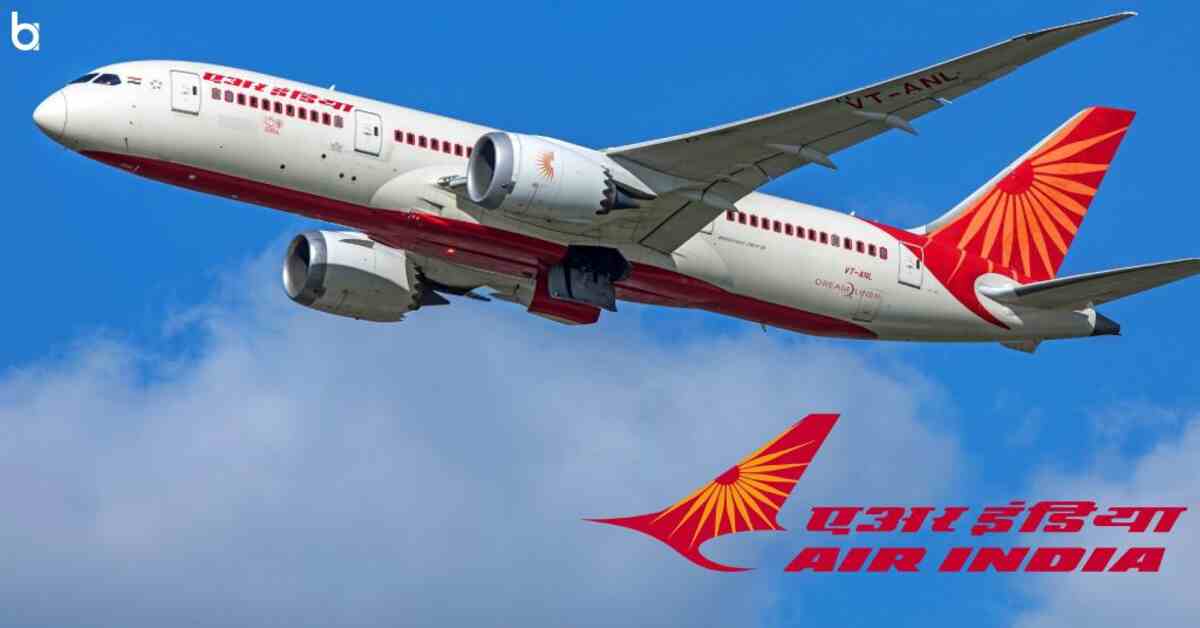
Though, he said he believes things will settle down and the airline continues to focus on capacity and product. TheAir India Groupcomprises full service carrier, Air India and low-cost sister airline, Air India Expressand with just under 300 active aircraft, this is a fairly substantial operation. Air India alone flies more than 185 aircraft including Boeing 787 Dreamliners, 777-300ERs and increasing numbers of Airbus A350s. New deliveries of which are arriving even now. In 2026 three Boeing 787-9s have joined the fleet, with a further two Airbus A350-1000s arriving later in the year.
This forms part of a parallel initiative to replace some of the older aircraft. A $400m retrofit program is well under way. Work on the narrowbody element has been completed. Three retrofit Boeing 787-8s have been returned to operation in 2023, with a further four to be returned in 2024-26. A further 16 787-8s are due to be refurbished in 2027, by which time that function should be largely complete. A ‘more standardized’ product aimed towards the product delivered when new is the aim.
The rate of expected inductions over the next two years shows the strong sense of confidence in the long-term demand for air travel to and from India. Introducing more than 100 aircraft in a limited timeframe has its challenges and takes fleet planning to match training, maintenance capacity, slot availability at the new and established airports, and ground infrastructure. It mirrors the strategic balance of expanding the international network as well as the domestic feeder network through the amalgamation of Air India and Air India Express operation.
He also took the opportunity to brief staff on some other internal issues, such as the postponement of salary increases which had been agreed earlier in the year. Those increases – and the agreed changes to pilot pay – will come into effect from 1 October.