
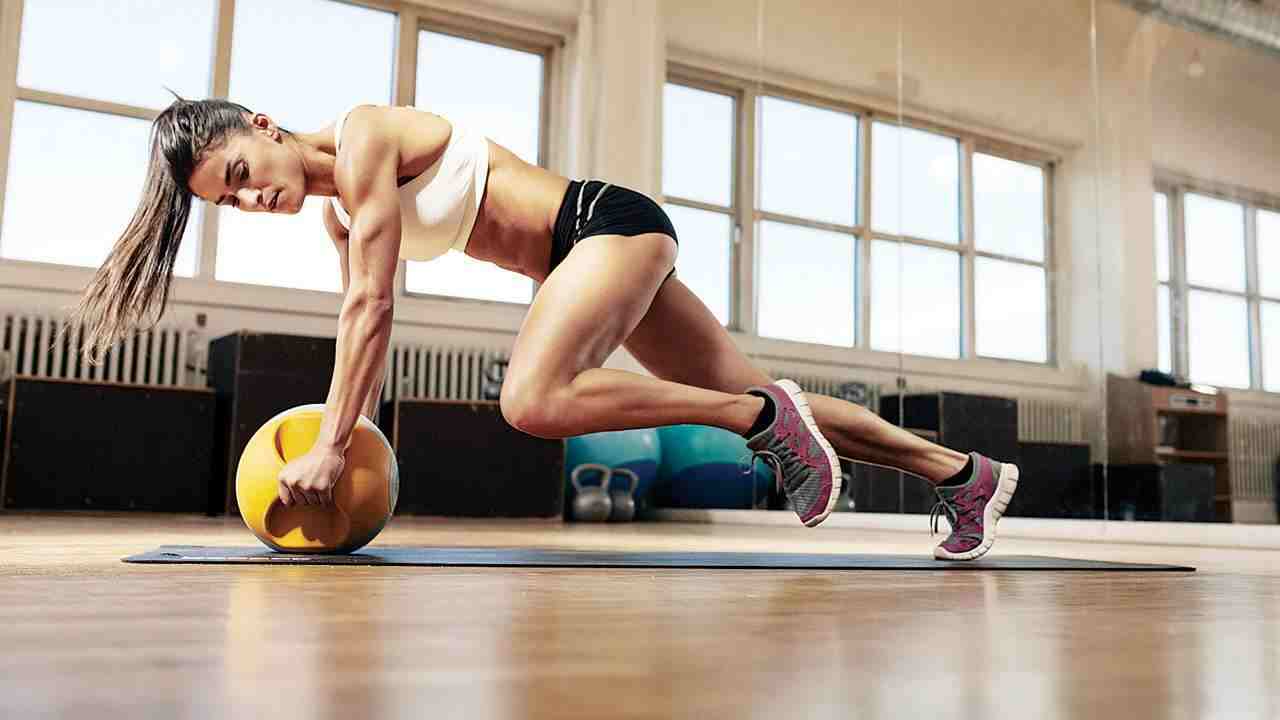
The start of a new year symbolizes a fresh start and inspires us to set goals for our improvement. Many view this as an opportunity to adopt healthier habits and prioritize their wellbeing. This self-reflection often leads them to realize the importance of fitness and motivates them to embark on a fitness journey.
However, transforming one’s lifestyle into a healthy one can be complicated and overwhelming. Creating a life supporting one’s physical and mental wellbeing can require a complete overhaul of many daily routines, which can be challenging without outside support.
A healthy lifestyle requires several elements to create the desired outcome, such as consuming a balanced diet and exercising regularly. While this may sound straightforward, committing to change many different habits can be challenging and frustrating to many people. It is reported that 90% of New Year’s Resolutions fail by mid-March.
Fortunately, behavioral science offers some critical insights into tackling the challenge of changing lifestyles, and several simple steps can help individuals overcome this obstacle. According to behavioral scientists, the first step is creating the desire to make a positive change. Then, identifying what factors are standing in the way of achieving that goal is important. Lastly, developing strategies to deal with obstacles that will arise is essential to success.
- Latest News: Benefits Of Consuming Almonds Daily In Winter
To help individuals on their quest for a healthy lifestyle, the upcoming year will see various health and fitness trends emerge. These trends include embracing technology, focusing on holistic health, and fostering community.
In 2024, group fitness classes will continue to thrive in-person and online, providing social connection and motivation. With personalized interaction and data analysis, these workouts will be tailored to individual needs and capabilities, encouraging participation and maximizing effectiveness.
In addition, fitness instructors will be incorporating more diversity into their workouts. Inclusive measures such as training equipment designed for both genders and culturally diverse music playlists will become more commonplace as instructors seek to avoid discrimination against marginalized groups.
A greater emphasis on recovery will also become more prevalent, with techniques such as cryotherapy and infrared saunas gaining traction in gyms across the globe. This results from the increasing understanding that true wellness involves more than just exercise and focuses on improving overall well-being, addressing all aspects of a person’s life.