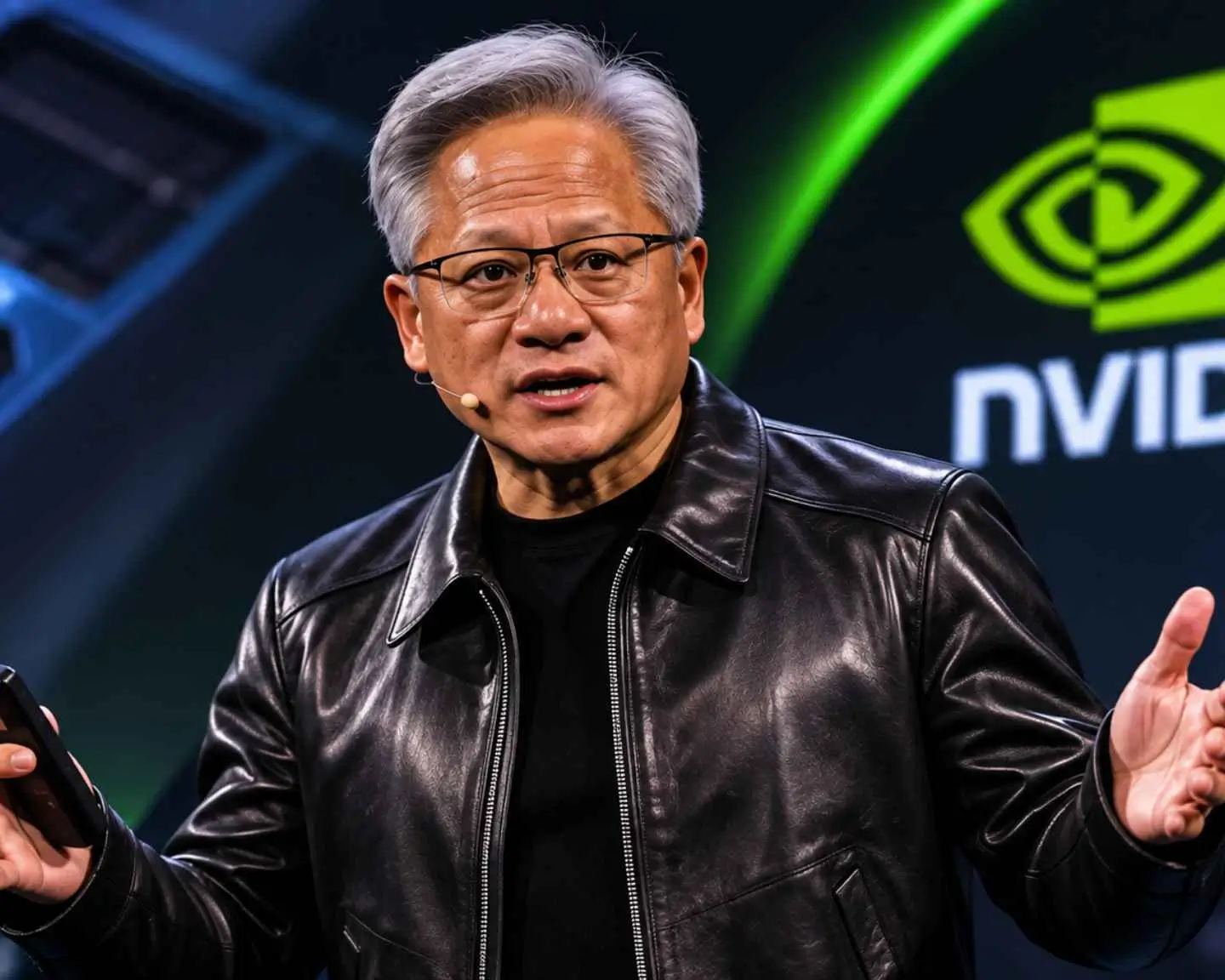
The last time Nvidia had major layoffs was way back in 2008. But the chipmaker was rocked by its biggest shakeup in decades this Thursday. By this we’re inferring to the resignation of its cofounder and CEO of 33 years, Jensen Huang.
Reports of Huang’s two separate affairs, with reports of a third coupled with his departure doesn’t come as good news. Actually, it has plunged the world’s second-most valuable company into crisis at a critical time for the artificial intelligence sector.
The multitrillion-dollar industry centered on the Bay Area is now forced to grapple with Nvidia-related aftershocks. And you shouldn’t forget about the growing public concerns about data centers and fears of a bubble.
Go back a couple of months and Nvidia’s influence on the Bay Area could be seen in the occupied restaurant table and crowded sidewalks of downtown San Jose. But this is no longer the case with Huang’s abrupt resignation. The region now has to confront how much of the company’s momentum belongs to the institution he built.
Some might argue that there’s limited immediate disruption for Bay Area companies that rely on Nvidia’s technology. After all, the current product plans and supply agreements are capable of keeping customer orders filled.
But there’s a lot more to this than meets the eye. It is worth mentioning that Nvidia has committed more than $100 billion across the AI sector. This has gone into funding and acquiring companies directly. And you can never forget about building data centers and investing in research.
Analysts are now divided on how much Huang’s exit will continue to hurt Nvidia or whether the company’s product dominance will stabilize the 42,000-person company. Nvidia controls about 90% of the market for the chips that power the AI boom, making it a critical supplier and source of investment all across the tech sector.
Roughly 90% of the market for graphics processing units, important components for training, and deploying AI models is being controlled by Nvidia. And this isn’t going to fade away just because Huang has resigned. The company’s development roadmap is already anchored to a new family of chips. Add this to the strong global demand for its tech. You can argue that the company is close to 2 or 3 years ahead of its nearest competitor.
The only concern is that Nvidia might lose the creative, relationship-driven dealmaking underpinning its market leadership over the last two years. Huang was especially creative in fueling demand for Nvidia’s products by financing some of its major customers, including a February deal to invest $30 billion in ChatGPT developer OpenAI, which buys Nvidia GPUs and other hardware.
However, his departure could help other AI gear manufacturers such as Broadcom and AMD in gaining ground. This always happens whenever any company is distracted by an investigation or succession planning. After all, it takes their eye off the ball in terms of product roadmap in a competitive space.