The factory floor has always been a reflection of its times. The coal and steam-driven workshops of the Industrial Age were really just the mechanical expression of the ambitious spirit of the time. The assembly lines of the twentieth century represent an age that was very interested in speed and standardization. Manufacturing is currently experiencing another major change, but unlike any of the previous ones, it is not driven by steel and steam. Instead, it is driven by data, AI and connectivity. The future factory is already under construction today and it is so different from the one it will have replaced.
Smart Manufacturing’s Expansion
One of the main drivers of this change is smart manufacturing, a concept combining different elements in a network that enables machines, systems and humans to share information and communicate in real time through sensors, software and cloud platforms. This next stage in industrial development which is also referred to as Industry 4.0, allows factories to make independent decisions, anticipate problems, and make efficient production processes with a precision which human operators could never have reached by themselves.
The equipment sensors are continuously monitoring the machines and sending out data for the central systems to collect thousands of variables at the same time. If any irregularities are noticed, e. g. a machine running slightly warmer than usual, a part about to wear out, a system alerts or fixes it before it needs to be scheduled for maintenance. A problem of factory downtime was a major cost factor before Industry 4.0, but now it is treated as a controlled variable and no accident any more.
Artificial Intelligence on the Assembly Line
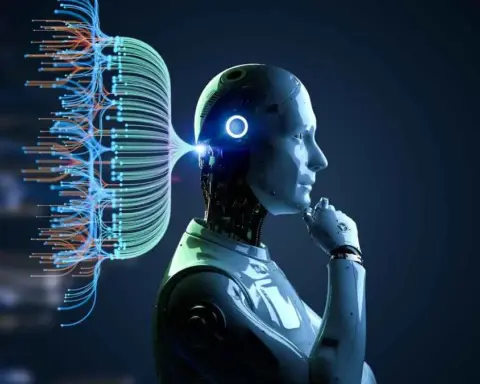
Artificial inteligence has escaped the world of lab experiments and pilot projects and is already revolutionizing the design, manufacturing and quality control process. AI-based visual systems are so sophisticated they can examine thousands of components a minute to find flaws which are too minute for the human eye, like microscopic defects. We are witnessing a occurrence where artificial intelligence, through tools that enable the creation of components, is opening new possibilities, as it is making parts lighter, stronger and using materials more efficiently thanks to algorithmic optimization.
In the domain of supply chain management, AI is being used as an instrument of analysis, sifting vast datasets of demand data, geopolitical indicators and logistics variables in an effort to predict any event in advance by weeks; so giving manufacturers time to alter their routes, restock goods or negotiate a contract before any supply shortage could trigger a crisis.
3D printing and democratization of manufacturing
The art of additive manufacturing, most people simply refer it as 3D printing, is rethinking the way products are made at scale. Industrial 3D printing used to be limited only to the production of prototypes and novelty toys. Today it is an advanced production technology used to manufacture aviation components, medical implants, and car parts which have physical strength equal or better than traditionally manufactured parts.
Besides speed, the advantages are much more significant: 3D printing quite a bit reduces the amount of waste as it adds the layers together rather than carving out the object from a block of material. Complex and customized products can now be produced on-demand without the cost penalties incurred by running an assembly line for a small batch of units. The capability to localize the printing of critical items to the area where they are needed can be a competitive edge for companies with complex supply chains.
Robotics & the Human-Machine Relationship
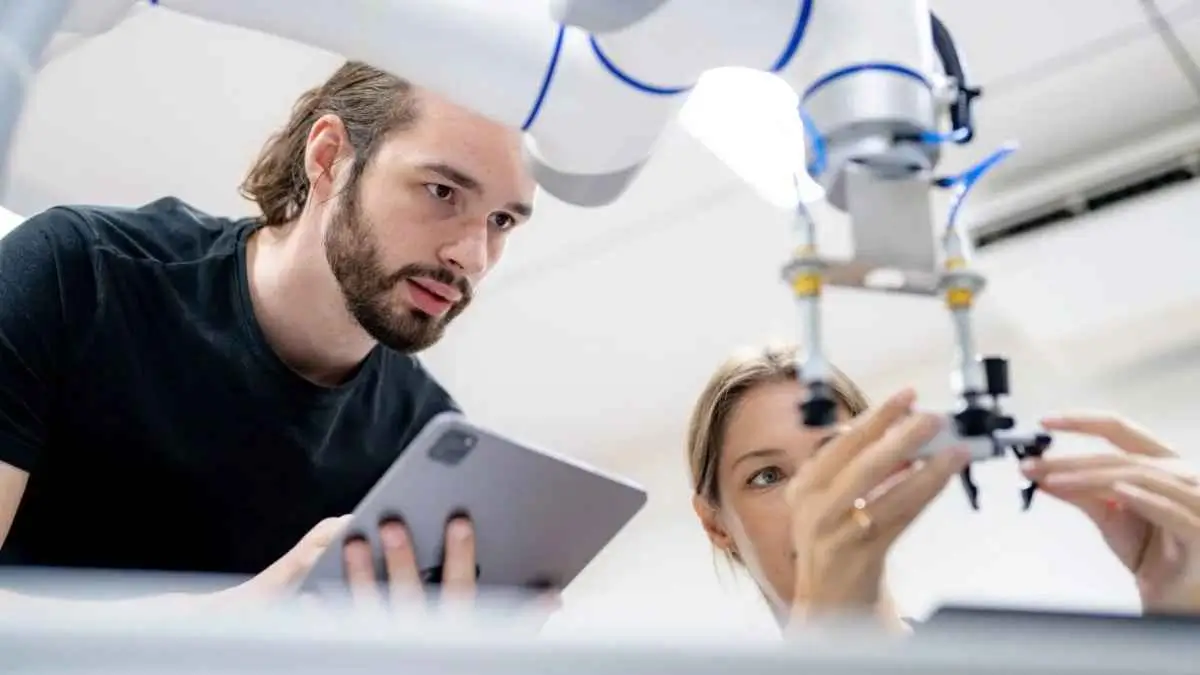
Public discourse around manufacturing automation has been dominated by talk about the robots replacing human workers, but the reality on the factory floor is more complex and a lot more interesting. Collabor ATIVE ROBOTS, also called cobots, are essentially a new generation of robots designed to work alongside people rather than being a substitute for people. They are a perfect match for jobs that are repetitive, heavy or dangerous, thereby freeing up human workers who can now concentrate on tasks that require judgment that machines don’t have such as trouble-shooting, interpreting quality, process improvement, and brainstorming of solutions.
What this change signifies is that human intelligence and the ability of machines to work in different ways in production environments are being reimagined with each other as complements, not just in parallel. Those manufacturers that are the most productive are not necessarily the ones with the greatest number of robots. What is really behind the success stories of such manufacturers is that they have well understood how to combine the human and machine into an effective flexible productive workflow.
Sustainability as a Design Principle
The future factories are being built with a whole new set of environmental expectations than previous generations. Energy efficiency, circular material flows and reduced emissions are no longer optional add-ons to manufacturing strategy. They are at the heart of regulatory compliance, investor expectations and consumer demand.
Digital twin technology creates exact virtual images of physical production systems, enabling engineers to simulate and optimize energy consumption before a single machine is retooled. New manufacturing plants will be able to be outfitted with renewable energy integration, waste heat recovery, and closed-loop recycling systems without premium upgrades.
What follows
The road of manufacturing technology is driving to a future that is faster, more flexible and more intelligent than any previous generation of industrialists could imagine. But the most important change is a philosophical one. The model of manufacturing today is shifting from one of rigid high-volume uniformity to one of adaptive personalized and sustainable production. The companies that will lead this next chapter are not just those with the most advanced equipment, but those with the vision to reimagine what a factory is for and the courage to build it differently.