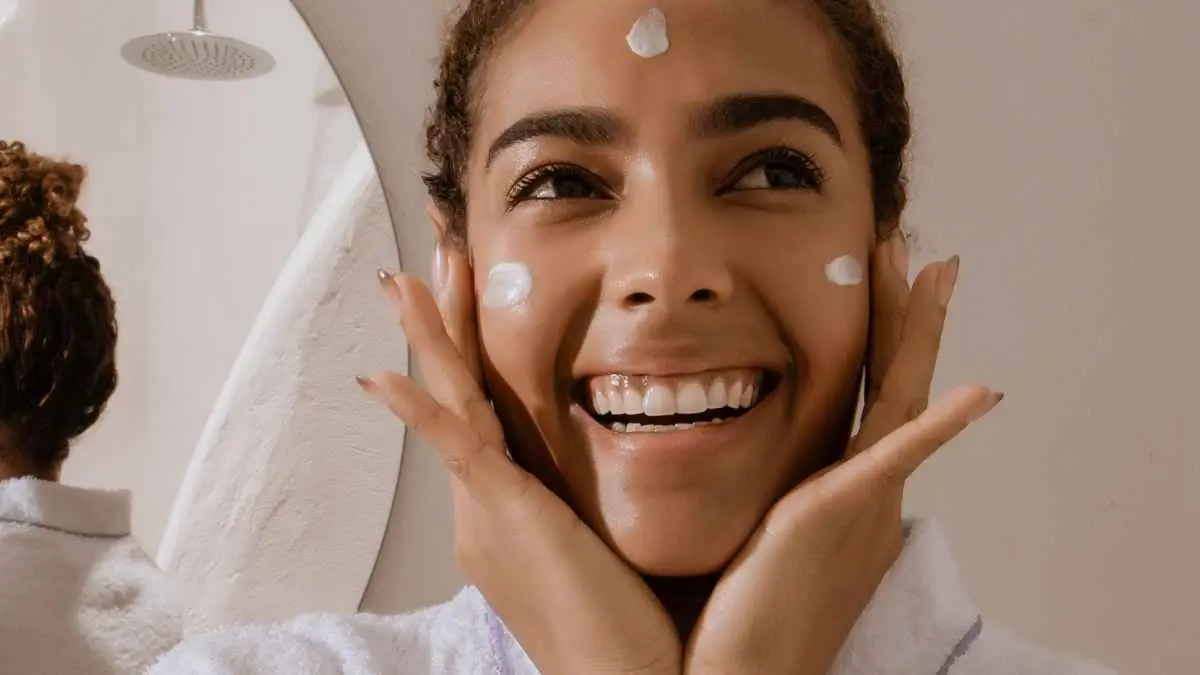
We’ve been led for so long to believe that gold is in the science. It’s in the DNA of peptides, with their baffling names; in precious serums, that cost as much as jewellery; in light-reacting moisture. But not all promising skincare ingredients are cutting-edge, with one of the most hyped-up trends of recent times looking hilariously basic. Beef tallow, stripped of the cattle, whipped into a balm and smothered onto the skin from grandmother’s pantries to influencer pop-ups, it’s divided skincare professionals and wellness warriors alike.
The Ancient Idea Behind the Modern Craze
Tallow isn’t exactly new. Animal fats were used for cooking, lamp oil, soap, and wound dressings long before we had petroleum jelly and other industrial skin-care chemicals. But the idea of using it now hinges on the irresistible notion that human and animal fat are, at their core, pretty similar; tallow is full of the saturated and mono-unsaturated fats stearic, oleic, and palmitic acids found in the barrier of our skin; it carries along vitamins A, D, E, and K and based on some of its most hardcore proponents, a set of fatty acids called conjugated linoleic acid said to soothe irritated skin.
The logic is simple. If there are lipids in skin, why not give it something slightly also-lipid rather than a bottle of laboratory stuff? The selling point of ‘natural’ is irresistible in a world obsessed with ingredient lists, when everyone is like a customs officer inspecting bottled parcel for parabens, fragrance, and preservatives.
What Believers Say It Does
Tallow is marketed as a profoundly emollient, very long-lasting moisturiser for flaky, mature, or weather-beaten skin. Its rich consistency creates an occlusive film that inhibits that process (trans-epidermal water loss), which dries out the skin and causes flaky skin. Those with sensitive or eczema-prone skin generally find relief, in part because plain tallow balms are made up of just a handful of non-irritating components.
Recommended for You:
- Healthy Eating Habits to Improve Your Overall Health
- Why Sleep and Hormone Health Are Now Inseparable
- Why Vitamins Deserve a Seat at Every Meal
- What Happens Before the Gym Matters More Than You Think
- Women’s Health: The Importance of Regular Screenings and Checkups
And we cannot ignore the minimalism. In a world over whelmed by ten-step rituals, a single, simple pot that substitutes for three are tempting. Many small batch brands also market tallow as an environmentally sustainable use of a by-product that would otherwise be thrown away appealing to the nose-to-tail philosophy of the foodie community.
Where the Evidence Runs Thin
Here things get a bit more complicated. There is very little scientific evidence for tallow as a facial moisturiser. Nearly all assertions about it are supported by anecdotal evidence, chemical analogy and generalisation. Even if the fatty acid profiles of the products are similar, that does not mean they act the same way on living tissue. Many things have similar chemistries.
Dermatologists raise several concerns, and they deserve attention:
Clogging properties: Heavy saturated fat can be comedogenic in some persons, mainly if they have oily or acne-prone skin. If, for example, you are prone to skin breakouts, this is not so far-fetched.
Quality and purity: The quality of the tallow is directly linked to the animal used and the rendering process. Tallow that is poorly sourced or cooked will probably have been contaminated and home-made tallow can suffer from oxidisation and possible bacterial growth in the absence of suitable preservation.
Exaggerated vitamin assertions: Whether or not vitamins are included in a product doesn’t assure that they’re ready to get beneath the skin to be efficient. Nor are they as efficient as different confirmed components like ceramides, glycerin, or hyaluronic acid.
Allergy and sensitivity: Natural is not allergy free. Every new product can cause a reaction.
Also contemplate sunscreen, which tallow can not knowingly substitute for. No matter how moisturising a cream might be, it can’t exchange day by day SPF, which continues to be the very best anti-ageing ingredient supported by analysis.
Final Words
Beef tallow face cream is not the same scandalous trend detractors claim, nor the ancient cure-all proponents state. This thick basic traditional moisturizer might work for a subset of durable, dry skin based more on anecdotes than formal studies. Its resurgence is as much a reflection of the times we live indistrust of the complicated, and crave for the primitiveas it is of skin research.
Maybe it’s an ancient truth you just didn’t know: what might be right for one face is a definite wrong for another that smart experiment is better than the slavish following of anything ancient or new.