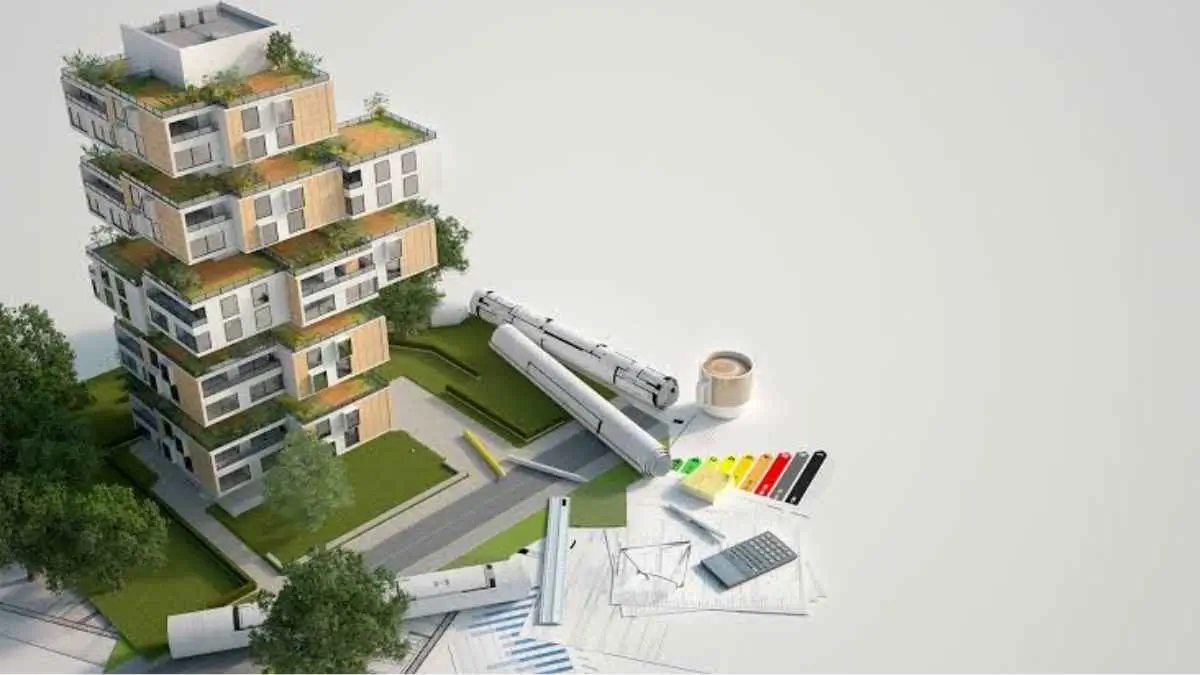
The construction sector is a considerable consumer of natural resources and raw materials, with a strong demand for business sustainability strategies. It is estimated that the industry generates 39% of the world’s carbon emissions. Sustainable building Singapore is a form of construction that looks to reduce the adverse social, environmental, and economic effects of building construction.
The construction methods are designed to realize several objectives, such as reducing waste and the use of natural resources. In this blog post, we delve into the key principles of sustainable construction in Singapore, a framework for the built environment to tackle its significant ecological footprint. Let’s get started.
Durability
First and foremost is building with durability and emphasizing the use of construction techniques and robust materials that can withstand the test of time. Prioritizing durability means you can ensure existing and new structures remain resilient, which minimizes the need for frequent replacements and maintenance.
Specifying these techniques and durable materials clearly extends the lifespan of the building and curbs the environmental impact over time. If this is not enough, it contributes to the overall cost-effectiveness of a project by limiting long-term maintenance expenses. The sustainable construction materials and techniques also contribute by promoting resource efficiency and a reduction in waste production.
Water Conservation
The construction industry is well-known for its high level of energy use, but also its water consumption. To become more sustainable, many operating within the sector have developed new processes for more sustainable use of water during the building process. Cutting days of water during the building process or material production process varies for different businesses, but there are some useful ways to minimize water consumption such as rainwater harvesting systems, efficient irrigation, low-flow fixtures, regular maintenance and leak detection, and reporting, monitoring, and enhancing water use.
Sustainable Design
Also known as green design or green buildings, this principle of sustainable construction refers to the practice of designing to circumvent or minimize adverse environmental impact. Environmental, social, and economic impacts are regarded in this process with the overarching goal to meet the needs of the present without compromising the planet for future generations.
The Building Research Establishment Environmental Assessment Method is the world’s longest-running method of assessing, certifying, and rating the sustainability of a building and helps ensure you identify you are attaining your sustainable building Singapore goals. The assessment looks into a range of categories including waste, energy, transport, materials, and water.