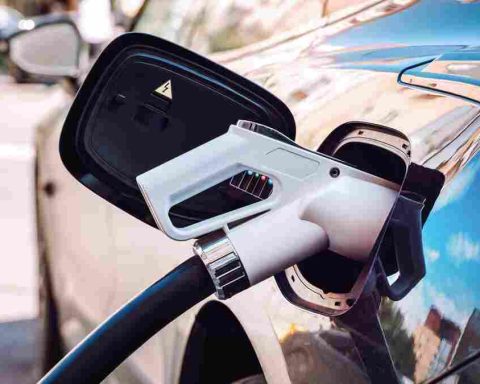

The global automotive industry is undergoing one of the biggest transformations in its history as governments, startups, and major automakers push aggressively toward electric mobility. Around the world, stricter climate policies, rising fuel costs, and technological breakthroughs are accelerating the shift away from petrol and diesel vehicles. As a result, electric vehicle startups are racing to capture market share in what could become the dominant form of transportation over the next two decades.
Governments across Europe, Asia, and North America have introduced ambitious targets to reduce carbon emissions from transportation. Many countries are planning to phase out the sale of new petrol and diesel cars within the next decade or two, encouraging both consumers and manufacturers to transition to electric alternatives. Cities are also introducing low-emission zones that restrict fossil-fuel vehicles in urban areas, making petrol cars less attractive to drivers.
These policy changes are fueling an intense competition among EV startups that want to challenge traditional car manufacturers. New companies are developing innovative electric cars, scooters, and commercial vehicles designed for a cleaner and more energy-efficient future. At the same time, venture capital investors are pouring billions of dollars into electric mobility startups, hoping to support the next generation of automotive leaders.
The global EV market has already expanded dramatically. Industry data shows that electric car sales exceeded 20 million vehicles worldwide in 2025, representing roughly one quarter of all new car sales. This rapid growth highlights how quickly electric vehicles are moving from a niche technology to a mainstream transportation solution.
China currently dominates the global EV landscape, producing a large share of the world’s electric vehicles and exporting them to markets across Europe, Asia, and Latin America. Chinese companies such as BYD have become some of the largest EV manufacturers in the world, demonstrating how startups and newer companies can disrupt the traditional auto industry.
At the same time, emerging EV startups in different regions are attempting to capture specialized markets. Some companies focus on affordable electric scooters and motorcycles for densely populated cities, while others develop premium electric sports cars or commercial delivery vehicles designed for logistics companies. This diversity of innovation is helping expand the overall EV ecosystem.
Government policies are also playing a major role in accelerating the transition. Several countries are offering tax incentives, subsidies, and infrastructure investments to encourage electric vehicle adoption. These incentives reduce the cost difference between electric vehicles and traditional petrol cars, making EVs more accessible to consumers. In some cases, governments are even considering bans on petrol vehicles or limiting their use in major cities.
In Africa, for example, Ethiopia recently implemented policies that effectively stopped the import of petrol and diesel vehicles, creating a surge in demand for electric vehicles. The policy is designed to reduce fuel imports and take advantage of the country’s abundant renewable energy resources.
Meanwhile, established automakers are responding to the pressure from startups by investing heavily in their own electric vehicle programs. Companies like Renault have announced plans to launch dozens of new electric models in the coming years as competition intensifies globally.
However, the transition to electric mobility is not without challenges. High battery costs, limited charging infrastructure, and concerns about driving range continue to affect consumer adoption in some markets. In addition, the EV industry is facing intense price competition as manufacturers attempt to attract new buyers while maintaining profitability.
Despite these challenges, analysts believe electric vehicles will remain the fastest-growing segment of the automotive industry for the foreseeable future. As battery technology improves and charging networks expand, EVs are expected to become more affordable and practical for everyday drivers.
For startups, the race to dominate the EV market represents both an enormous opportunity and a significant challenge. Companies that successfully develop reliable technology, scalable production, and strong global brands could become the next giants of the automotive world.
As governments continue to push policies aimed at reducing petrol dependency and lowering carbon emissions, the electric vehicle revolution is likely to accelerate even further. In the coming years, the competition between startups and traditional automakers could reshape the global transportation industry and redefine how people move around the world.