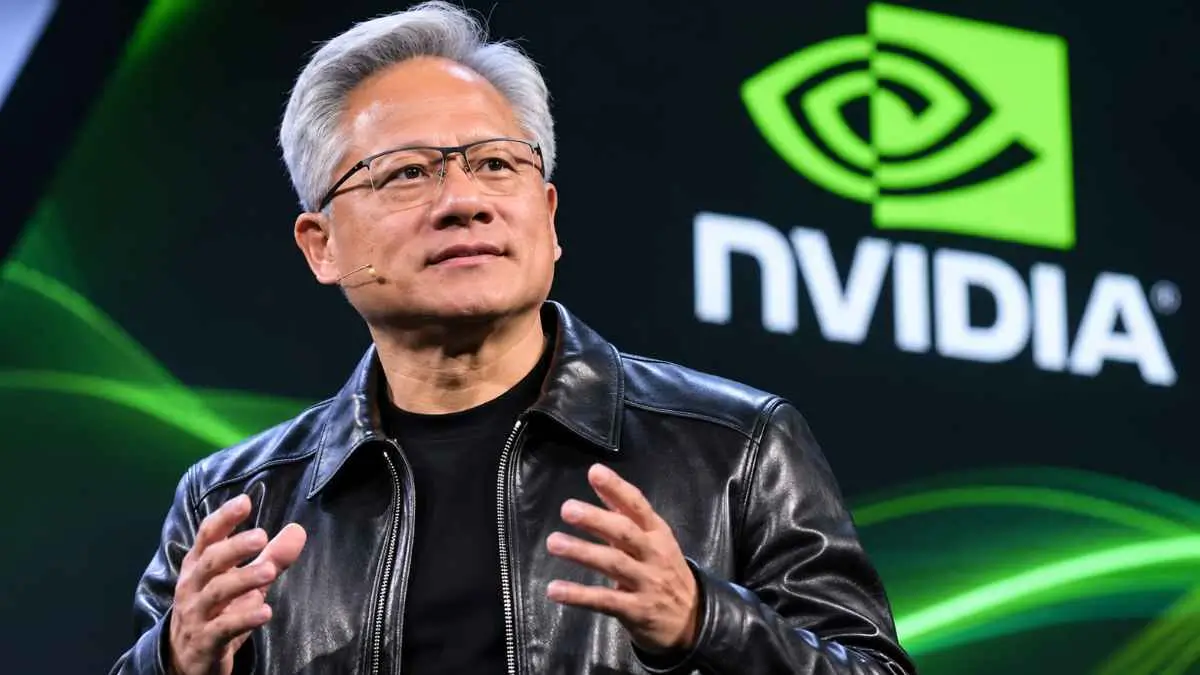
Recently, technology has seen a big change when Nvidia re-appointed its co-founder, Jensen Huang, to the position of President and Chief Executive. This was less than two weeks after Huang left and so it further shows how influential a founder can be. Also it demonstrates the significance of having strong and consistent company leadership in the rapidly advancing field of AI. Following much consideration, the board of Nvidia has come to a unanimous decision that Huang should return. They are committed to maintaining their present strategy at such an exciting time for AI.
On 12th November 2026 news broke that Huang had resigned and sent shock waves through the technology and financial industries. Not only is Huang a co-founder of Nvidia, he has also been its CEO for many years and has successfully steered it from a graphics chip producer to global leader in high performance computing and AI. Immediately following Huang’s resignation, Colette Kress, Nvidia’s Chief Financial Officer, was intermediately appointed as Chief Executive. However, there had been concern from investors, employees and business associates about the possible lengthy nature of any leadership transition.
This was quickly alleviated by the news that Huang was to be re-employed. Following an evaluation of his leadership and seeking guidance from senior members of the US government, the company stated that the board had reached a unified decision that Huang should return. It noted that this was favourable for shareholders, employees, clients and business partners and confirmed that Huang continues to be the perfect leader for Nvidia.
Why Jensen Huang is so key for Nvidia
Whilst Huang’s role as chief executive is highly significant, he is also fundamental in representing Nvidia’s technology, business approach and future goals. Moreover, he has led Nvidia to become a core player in the computing systems which drive today’s AI technologies. Globally, Nvidia’s GPUs, computer network solutions and software are key tools in AI development. Huang’s leadership has further enabled Nvidia to form key alliances with leading cloud businesses, chip makers and AI firms.
His technical knowledge, extensive business network and forward-thinking approach all add to the value of Huang’s leadership. Thus, re-appointing him goes beyond a simple rejoining of staff; it reaffirms Nvidia’s commitment to, and development of, the business and innovation strategy which has driven its worldwide success.
Business Scandals and National Security
Although there has been much enthusiasm for Huang’s reappointment, it has not resolved all of the issues which led to his initial resignation. Huang left due to concerns relating to both personal affairs and national security. These involved a woman believed to be linked to Chinese intelligence, and prompted reviews of Huang’s behaviour together with wider concerns about business practices.
Nvidia has said it will continue its independent investigation and has created a National Security and Export Control Committee to further enhance control of and awareness of trade compliance issues. Furthermore, it has begun recruitment for a new Chief Compliance Officer to manage compliance for the company. Crucially, even though Huang has re-joined Nvidia, investigations are by no means finished. The company has confirmed that it will continue to work with governmental bodies in their investigations and will allow the independent investigation to proceed to completion.
Market Response
As a highly influential company, Nvidia’s leadership can have wide-reaching effects on the technology market. Given that it plays such a key role in the AI industry supply chain, market attitudes can be affected by changes in Nvidia’s leadership. Huang’s resignation led to considerable market concern over whether Nvidia would still be able to continue to progress effectively without its co-founder. Following Huang’s reappointment there was a spectacular market response.
Recommended for You:
- easyJet Profit Plunges 89% as Fuel Costs Raise Airline Industry Concerns
- Superintelligence, Rebranded: What Meta Means by the Word
- PS5 Shortages Limit Black Friday Deals Following GTA 6 Release
The company’s share price rose by around 31.5%, illustrating how buoyant investors are now about Nvidia’s leadership and strategy. Yet, despite this encouraging market reception, investors still need to analyse the company’s business practices, financial resources, regulatory implications and capacity to continue to achieve its breathtaking rate of growth.
Government Involvement and Business Influence
The reemployment of Huang has also involved the United States government. Nvidia mentioned that, having taken advice from high-ranking government personnel, the board had determined that there was no national security threat arising from Huang’s reappointment. Indeed, President Donald Trump has also publicly endorsed Huang’s reemployment, underlining both his significance for Nvidia and for the US economy.
Nonetheless, government involvement has prompted debate about the autonomy of business, regulation and the link between powerful technology business leaders and political leaders. Clearly, semiconductor businesses have grown in importance to both national economic strength and wider geopolitics. With AI set to play such a key part in driving economic development, national security and technology leadership, Nvidia’s actions are no longer exclusively business-related.
Looking Ahead for Nvidia
Although Huang is returning to the position of chief executive, once again meaning the most identified leader is at the head of Nvidia, the group must strive to continue to innovate and further develop both business and regulation. Priority issues include remaining at the forefront of technological development; building AI; strengthening international relationships and addressing issues relating to semiconductor exports.
At the same time, it is essential that Nvidia can demonstrate that it has strong governance and regulation in place to deal with increased scrutiny. Alongside reigniting both investor and employee motivation, Huang needs to successfully re-gain the trust of regulators and international business partners.
Conclusion
Nvidia’s re-employment of Jensen Huang has been one of the most astonishing examples of a change in business leadership in 2026. This demonstrates the value of experienced leadership in an industry where innovation, business alliances and market confidence are highly inter-related. Nevertheless, the re-appointment has also prompted debate about business regulation, leadership responsibility and the effect of politics upon business.
Huang is returning to a company which continues to be at the forefront of the world’s AI revolution. Yet, compared to his first time in charge, greater expectations are now attached to his second leadership role. His skill in both upholding Nvidia’s technology leadership and in re-gaining confidence in the company may well prove decisive in shaping its next, awe-inspiring stage of development.