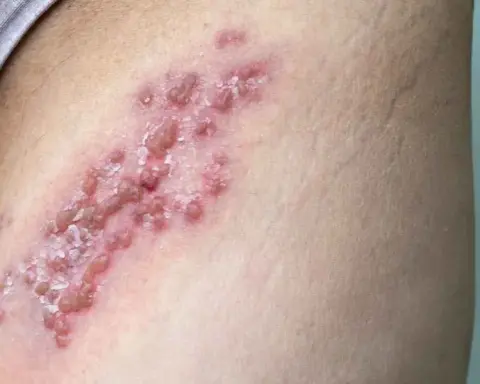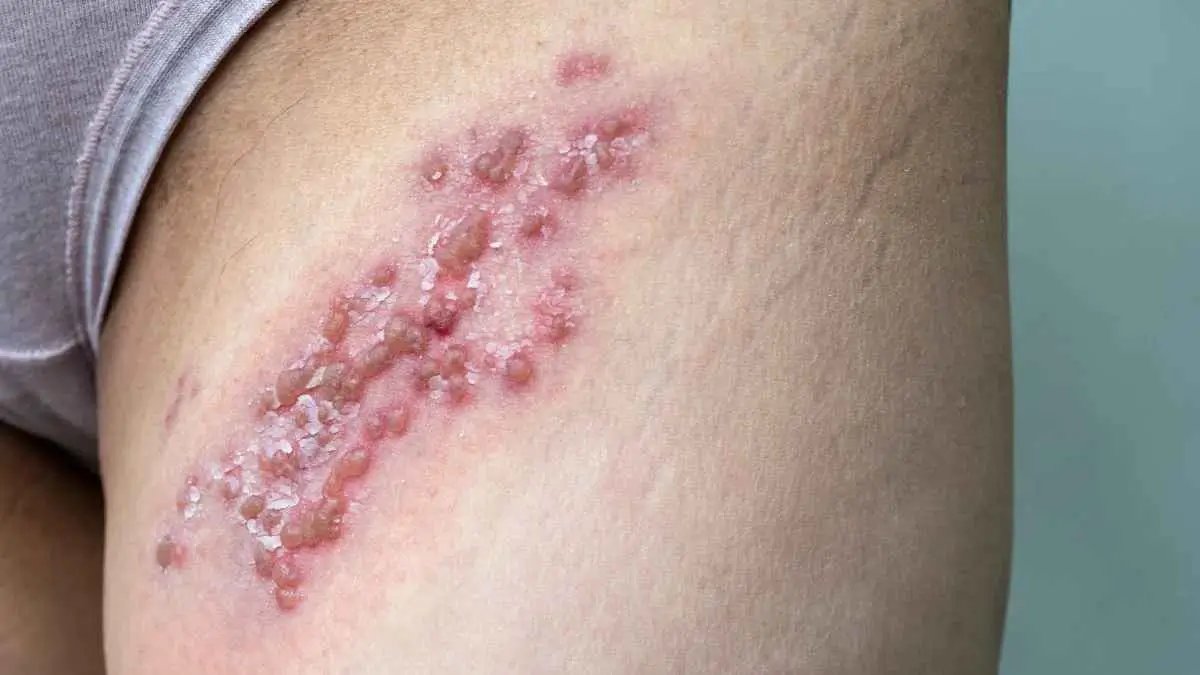
Understanding can help manage Herpes. What people may worry about, laugh about or misunderstand, herpes simplex virus (HSV) is actually very common.
Common viral infection
In people under 50 years old, around 2/3 of the population will have HSV-1 (the strain that commonly causes cold sores). Many more people (hundreds of millions) have HSV-2, which is more commonly responsible for genital herpes. Having herpes is very common!
Many people remain asymptomatic. Many people are infected with HSV and have either no symptoms, or only very mild symptoms that could be confused with spots, nicks from shaving, insect bites and ingrown hairs. Due to this, HSV can commonly be transmitted between people. People can transmit it without having any lesions, this is known as asymptomatic shedding.
Two types of Herpes virus
Traditionally HSV-1 and HSV-2 were differentiated by which areas of the body they affect (oral and genital respectively). However, in many countries, HSV-1 is a major cause of new genital herpes infections. These genital infections are often caused by oral-genital contact. HSV-1 genital infections can often be contracted through oral-genital contact in adulthood (a cold sore) or kissing as a child. Both HSV-1 and HSV-2 can infect both oral and genital regions. Genital HSV-1 tends to recur less frequently than genital HSV-2.
Why it doesn’t go away
Herpes is a cunning virus. Following initial infection, it travels through nerves and becomes latent in collections of nerve cells, known as ganglia. It can reactivate if triggered by illness, stress, sun exposure, hormonal changes, tiredness, or a weakened immune system. Once reactivated, an outbreak occurs in the same area, or nearby to where the infection originally occurred.
However, it is encouraging to know that over time, outbreaks tend to become less severe and infrequent. The first infection is typically the most severe.
Common myths
It is not only passed on by people with promiscuous behaviour. Even one sexual contact with an infected person can pass it on.
It is extremely unlikely to be passed on from a toilet seat. The virus cannot survive for very long outside of a human.
Without lesions, there is no risk. This is incorrect due to asymptomatic shedding.
Herpes is very dangerous. In most healthy individuals, herpes is a mild, manageable disease. It can be very dangerous in newborn babies, people with very compromised immune systems, and very rarely in the eye/brain.
Getting appropriate treatment
Whilst there is no cure, effective treatment is available.
1. Accurate diagnosis. See a doctor, dermatologist or sexual health clinic. A swab test from an active lesion using PCR is the most accurate way to diagnose. Blood tests can detect antibodies, however cannot always give information on where the infection is, or when it was contracted. Therefore it is best to get advice from a professional to understand your blood test results.
2. Antiviral treatment. The common drugs used are Acyclovir, Valacyclovir and Famciclovir. Antiviral drugs cannot completely clear herpes from your body, but can reduce severity and duration of symptoms and reduce viral shedding. It is most effective if taken as soon as tingling/itch starts (before blisters appear).
3. Suppressive treatment. If you are getting frequent outbreaks (often 6 or more per year) or want to reduce transmission risk to partners, a low dose antiviral drug can be taken daily. Evidence shows that this can greatly reduce recurrences and transmission.
4. Reduce triggers. Getting sufficient sleep, managing stress, protecting skin from too much sun (particularly for lip herpes) and maintaining a healthy lifestyle can all help reduce recurrence of outbreaks.
5. Self-care. Cold compresses, loose cotton clothing, warm baths, and over-the-counter painkillers can help. Try to avoid touching the sores. Wash hands after touching them.
6. Reducing transmission to partners. Avoid sex during outbreaks or prodromal symptoms. Consistently using condoms can help. Transmission is reduced, but still possible. Be open with your partner.
7. Be careful in pregnancy. If you have genital herpes, make sure to tell your midwife. Taking antivirals in late pregnancy, and in some cases a caesarean section, can prevent transmission to the baby.
Beware Miracle Cures
There are many Miracle Cures on the internet. There is no evidence that any of these supplements, creams or natural cures can completely cure herpes. Some, such as Lysine or specific creams, have limited and varying evidence. Others may irritate the skin or delay correct treatment. If you wish to try complementary treatments, please speak to a medical professional.
Future research
There are many developments in research. Candidates for vaccines and gene editing are being investigated, however nothing is available to the general public yet. With current treatment options, living a completely healthy life is very possible.
Summary
Despite its bad reputation, Herpes is very common and very manageable. Often the problem with herpes is associated with the stigma attached to it, rather than the infection itself. Having good knowledge, beginning treatment quickly, having an open discussion with partners, and seeking medical support means that Herpes can be managed confidently.