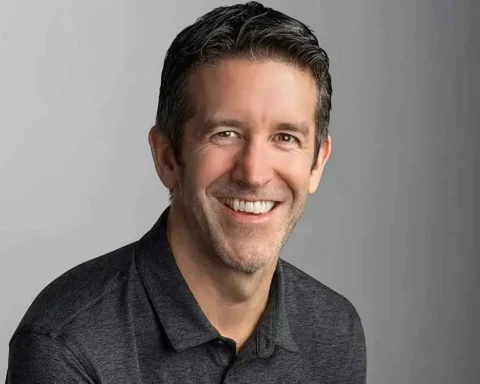
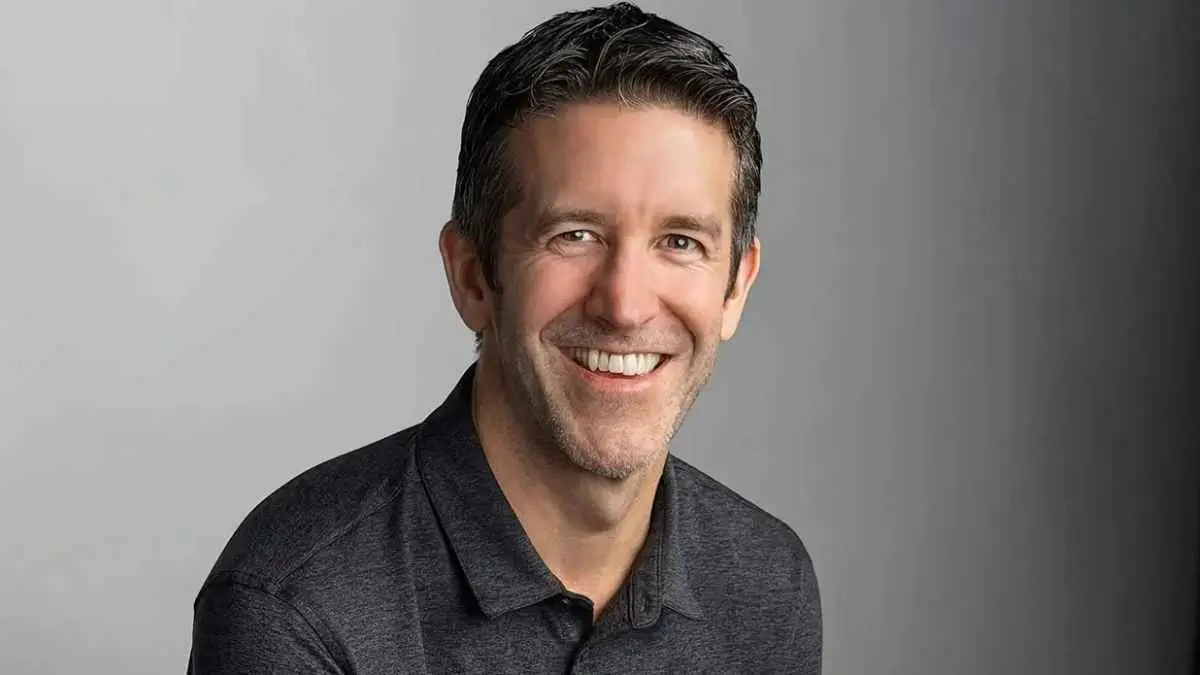
John Ternus and the Quiet Reinvention of Apple’s Throne
For almost seventeen years, the story of Apple leadership was dominated by only one face. Tim Cook – the operations wiz who took charge of a struggling company from Steve Jobs and turned it into the world’s top enterprise – was Apple’s face, its diplomat and its guiding light. But the narrative has formally and deliberately passed on to another. John Ternus became Apple’s chief executive on September 1 2026 taking over the reins of the company that was a gamble on his engineering skills rather than operations management – a move that reveals at least as much about Apple’s vision as about John Ternus himself.
From Design Studio to Boardroom
The quiet man who became Ternus. After a period of 2 and half years working in the back, he became a vice president of engineering at Apple in 2013 and then climbed the ranks to an SVP role in 2021 that put him at the level just below CEO Tim Cook. As a key hardware member he worked very closely on some of Apple’s biggest bets that changed the company’s fate like the Apple Silicon transition that completely remade the Mac product line, the continual upgrades of iPhone and Apple Watch, and the dramatic growth of tablet and earbud sales into the top products of Apple’s income. In contrast with previous Apple execs that had come into head honcho roles, Ternus’s strength is this:
He’s a builder of things Where Cook was a supply-chain tactician and Jobs a product visionary with an eye for designing, Ternus’s currency has always been engineering credibility – the kind earned in labs and review rooms, not boardrooms.
A Deliberate, Not Sudden, Transition
Apple’s board announced the board succession on April 20, 2026, and characterized it as a decision reached over many months by the whole board – basically, this is what companies say to the market when they want it to be understood that there was a decision that wasn’t made in response to something. Cook carried the title of CEO until the end of the summer, when Ternus first came into Apple, and then after September 1 he became a board member, but as a chief he continued to work with officials on government relations and was there to support Apple’s global partnerships through him. Arthur Levinson, who was before non-executive chairman, got to lead the independent director. Johny Srouji, who has been the silicon guy at Apple for many years, picked up Ternus’s hardware engineering portfolio and now as chief hardware officer he will have more responsibility.
Recommended for you:
- Marta Ortega: The Life and Success of a Billionaire Businesswoman
- Gloria Steinem: The Feminist Icon Who Changed Women’s Rights Forever
The way Cook handed over the power was of importance. His comments publicly presented Ternus as “having the brain of an engineer, the spirit of an innovative person and the heart to lead responsibly”, which, for ceremonies, it is probably not true, but it tells the story of what the Apple board wants the investors and the employees to believe: that through this company is not going to leave behind all the operational aspects Cook had built over years, at the same time they are going to add another layer through hiring a leader who would get to know firsthand the process of turning ideas into real devices, as Apple does.
The Present: Inheriting a Fortress Under Siege
Ternus is not a person who would buy a company whose shares have been continuously dropping. With Cook’s leadership, Apple’s market capitalization increased from about $350 billion to $4 trillion, and its annual revenue went beyond $416 billion. The company’s services division – the recurring revenue feature that analysts love – alone topped $100 billion. This is what you get if you leave Apple to Ternus – a company with a strong financial position, a loyal customer base, together with a brand that still allows them to set premium prices despite the industry tendency towards commodity goods.
On a different note, even a fortress may get besieged by a fresh attack. Now, the biggest technological topic is the artificial intelligence. While Apple is definitely in the category of hardware big shots, it is still assumed to be slightly behind others which are already working on incorporating generative AI into their consumer products. Ternus will inherit the feeling of a company which is worried. His appointment was clearly viewed as a sign by external observers that Apple has recognized the issue – a hardware expert given the job to demonstrate that the key Apple advantage will be through hardware, silicon and their close collaboration, whereas other companies see software and AI as the battlegrounds.
The Future: An Engineer’s Wager
Ternus, in the final analysis, represents betting on a continuity of a craft rather than just continuity of style. He is not a charismatic figure like Jobs and of course not a logistics expert of the sort Cook is. He is, based on all the reports he has ever received, a man of the craft, a worker who through the years has been in the middle of the friction that is the making of hardware truly excellent, and who now has to turn this instinctive approach into a strategy at a company that in the next decade will have many challenges which engineering itself will not be able to answer, i.e. how to compete in AI, how to keep services growth sustained, how to manage geopolitical supply-chain pressure.
Apple is gambling on an idea, great companies finally are products of people who know at a deep level how things are really made. It is the main question whether the gamble is right, which will define Ternus’s career, besides, it is perhaps one of the very few and biggest such experiments in modern corporate takeover.