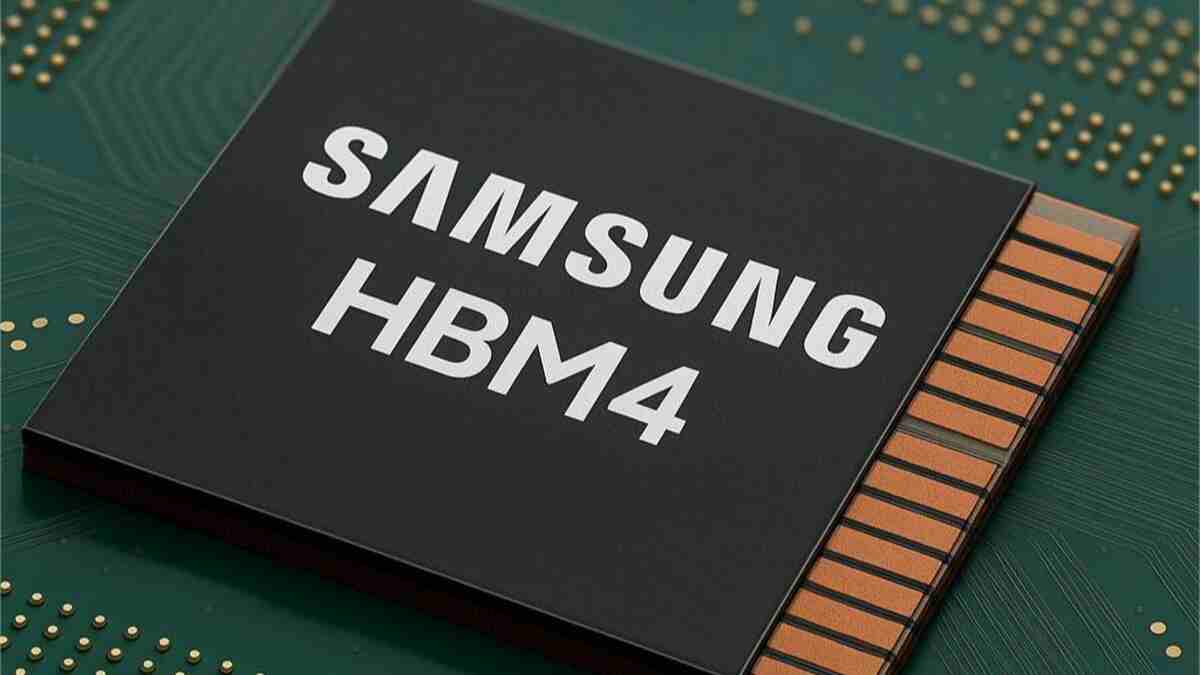
Samsung Electronics faces higher investor scrutiny as the record earnings driven by the boom in memory chips faces a sobering question: how long can record memory prices last? The company still remains one of the largest profiteers of surging artificial intelligence (AI) infrastructure spending, but investor patience is wearing thin as to whether the current pricing cycle can persist.
Their worry follows Samsung posting a phenomenal jump in profit. Samsung predicted second-quarter 2026 operating profit at 89.
4 trillion won, 19 times the amount a year ago, driven by rising memory-chip prices following surging demand. Expected revenue was 171 trillion won, up 129% year over year. Memory is now at the heart of the AI hardware boom. Soaring demand has spurred projects at the biggest technology firms, from building massive data centers all needing vast amounts of DRAM, high-bandwidth memory, and NAND storage.
But it’s not just on the specialized AI memory front where the demand is coming from. [7] Intel, Dell, and Microsoft announced expanded investments into cloud AI compute and are paving the way with large scale AI infrastructure. That very strength has offered an arguably unprecedented opportunity for memory producers. A supply-constrained capacity in say DRAM will allow the manufacturers a higher level of pricing efficacy.
The investors of Samsung itself highlight the firm and the industry in total’s upward trajectory in prices as well as robust orders for AI-compatible memory products. But investors focus beyond the current record profit margins. The key question is whether memory prices are on the brink of a peak.
Earlier in July, Samsung’s shares declined sharply even after the company announced its huge profit prediction. Reuters reported that Samsung’s shares declined up to 7.6% amid fears that memory-chip prices may turn sluggish and that the company’s semiconductor profit may be at an all-time cyclical high. The concern was heightened by the slide of overall US chip stocks and uncertainties about how long the artificial intelligence investing boom can last.
While analysts are split, Morningstar have already expressed that the memory price rises are starting to turn, estimating that the growth in Samsung’s DRAM price could have been weaker than once believed. Whether bullish or bearish, other analysts agree that AI demand continues to exceed the available supply and that long-term contracts give memory manufacturers a clearer visibility of future sales.
This explains why investors are trying to get a handle on Samsung’s outlook. If prices remain high, then Samsung could experience yet another period of incredibly high profitability.
If prices become more stable or fall, then earnings estimates could easily be cut like a hot knife through butter as memory is inherently cyclical. The supply side is another factor. While Samsung, SK hynix and Micron are investing billions to ramp up production, it takes years to build (and then run) semiconductors. Industry estimates point to a persistent supply deficit into 2027 and beyond, driven by AI demands for headroom on high-end memory.
Simultaneously, makers need to guard against oversupply. Memory manufacturing has traditionally suffered huge boom and bust cycles. As inventory levels increase to match last quarter’s sales, then second quarter kit, prices slide quickly and margins suffer.