Across the world, a new lifestyle movement is gaining attention as people experiment with small daily habit changes to improve their physical health, productivity, and mental well-being. These “habit experiments” are becoming increasingly popular on social media, wellness platforms, and productivity communities. Instead of dramatic life overhauls or unrealistic resolutions, individuals are testing manageable daily routines such as morning walks, journaling, hydration goals, reading challenges, and digital detox periods.
Experts say the popularity of habit-change experiments reflects a shift in how people approach personal growth. Rather than chasing instant transformation, many are focusing on gradual improvements that are easier to maintain over time. Behavioral science research suggests that habits are built through repetition and environmental cues, meaning small actions repeated consistently can eventually become automatic behaviors.
The rise of wellness challenges and self-improvement programs has played a major role in popularizing these lifestyle experiments. Online communities frequently launch structured challenges designed to help participants build routines over several weeks. One recent example is the “Great Lock-In” trend, which encourages individuals to dedicate a few months to personal improvement goals such as exercising regularly, cooking at home, managing finances, or building reading habits. Experts say the approach works because it focuses on realistic goals rather than extreme discipline.
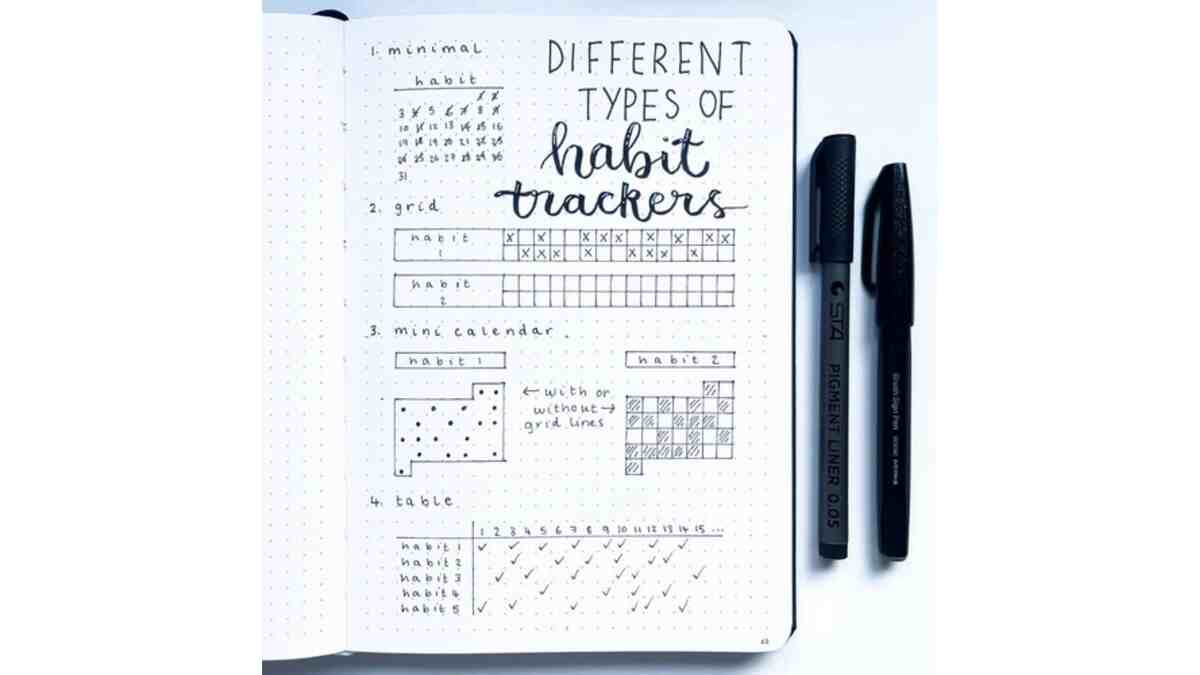
Another reason habit experiments are trending is the growing influence of digital tools that help people track their progress. Wearable fitness devices, mobile apps, and productivity platforms now allow users to monitor daily behaviors such as steps walked, hours slept, or time spent reading. Studies show that these digital behavior-change tools can help individuals adopt healthier routines by providing feedback, reminders, and goal-setting features that reinforce positive habits.
Health professionals emphasize that habit-change experiments can have real benefits when approached with realistic expectations. Simple lifestyle choices like improving diet, exercising regularly, or maintaining sleep routines can significantly affect long-term well-being. Experts note that everyday behaviors often play a larger role in overall health than genetic factors, making small daily decisions powerful over time.
Generational attitudes toward lifestyle habits also appear to be shifting. Surveys show that younger adults, particularly Gen Z and millennials, are more likely to experiment with wellness routines and productivity strategies. Many are motivated by goals such as better physical health, improved focus, and reduced digital stress. These generations are also more comfortable sharing their progress publicly through social media, turning personal habit experiments into global trends.
Popular habit experiments vary widely depending on personal goals. Some people focus on fitness challenges such as daily walking routines or structured workout plans, while others prioritize mindfulness practices like meditation or journaling. Reading challenges, hydration trackers, and sleep-optimization routines are also gaining popularity among those seeking simple ways to improve daily life.
However, psychologists caution that habit experiments should remain flexible rather than rigid. If a routine becomes too demanding, it may lead to frustration or burnout. Experts often recommend starting with one or two small habits and gradually building new routines as confidence grows. Research suggests that incremental improvements are far more sustainable than attempting to change many behaviors at once.
The growing fascination with habit experiments highlights a broader cultural shift toward intentional living. In a fast-paced digital world filled with constant distractions, many people are searching for simple routines that bring stability and balance to their daily lives.
As more individuals share their experiments online and new wellness tools continue to emerge, the habit-tracking movement is likely to keep expanding. What began as small personal challenges has evolved into a global lifestyle trend, showing that meaningful change often starts with the smallest daily actions.