
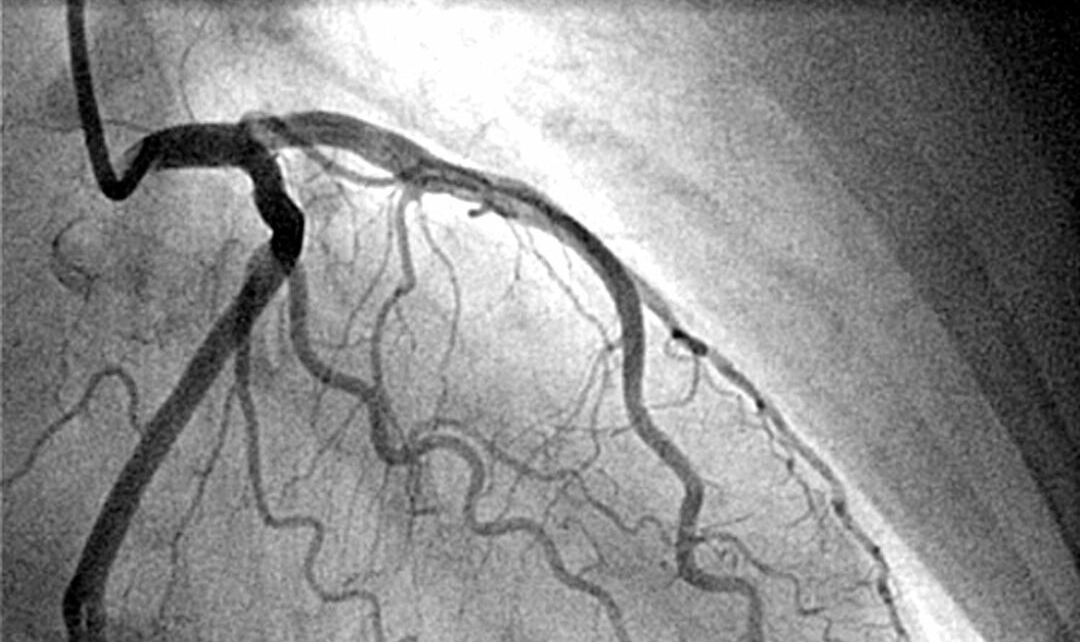
If reading this, you probably want to know more about angiography. An angiogram is simply a diagnostic procedure that uses imaging to show your provider how your blood flows through your blood vessels or heart. An injected contrast material makes it easy to see where blood is moving and where blockages are. Your provider can choose to use X-rays or other types of imaging for your angiography.
Your healthcare practitioner may want to perform an angiogram procedure when you have signs of blocked, damaged, or abnormal blood vessels. An angiogram test helps your provider determine the source of the issue and the extent of damage to your blood vessels. With angiography, you provider can diagnose and plan treatment for conditions like coronary artery disease, peripheral artery disease, blood clots, and aneurysm.
Understanding how angiography works certainly ensures it is the ideal procedure for you. Well, an angiogram procedure involves injecting contrast material that your provider can see with an X-ray machine. Images on a screen show blood flow and blockages in your blood vessels.
It is important to note that your provider gives you medicine to make sure you’re relaxed and comfortable while undergoing angiography. Most people receive sedation while others get general anesthesia, which makes them sleep. Either way, someone will have to drive you home afterward.
Before your angiogram test, your healthcare provider may want to check your blood to determine how ell your blood clots. They also want to ensure your kidneys are working well. Either way, you should take it upon yourself to consult with your provider before you stop taking any medication, more so antiplatelets and anticoagulants.
Avoid eating anything after midnight the night before your angiography. If you’re having general anesthesia during the procedure, don’t eat or drink anything after midnight. The day of your angiography, be sure to drink only clear liquids for breakfast on the day of your procedure.
Moreover, you should leave your jewelry and other valuables at home and ensure you arrange for a responsible adult to drive you home. Bring a book or magazine in case your healthcare provider has to handle an urgent case before yours and let all of your healthcare providers know if you have diabetes.
An angiogram can take as little as 15 minutes. But some can take a few hours. It depends on what procedures your provider does after they find the issue.