SCIENCE - Page 14

Rare Mammal Named After Attenborough Found After 60 Years

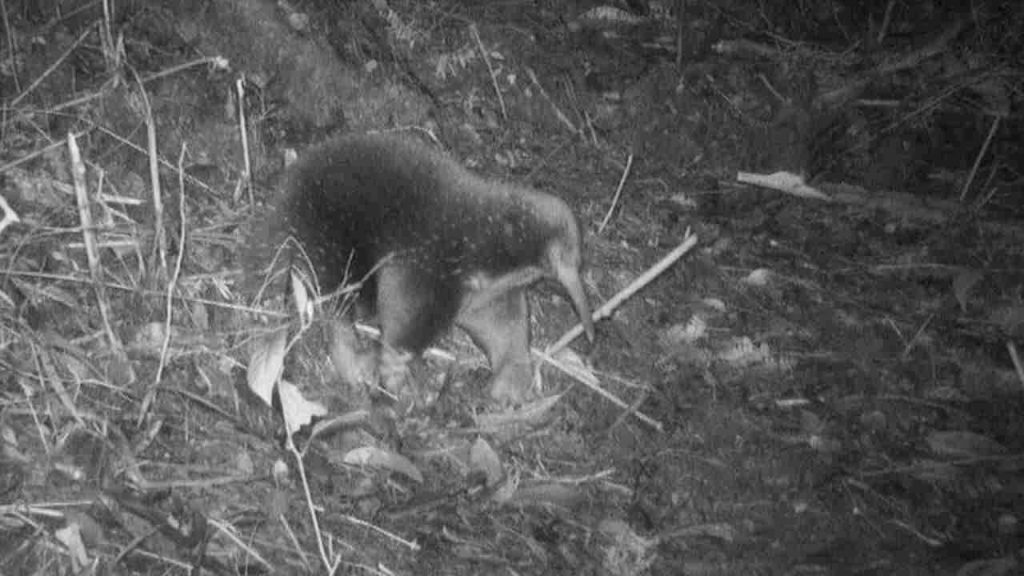
In a remarkable scientific breakthrough, a long-lost species of mammal that was thought to have been extinct for 60 years has been rediscovered in the remote Cyclops Mountains of Indonesia. This elusive creature, called Attenborough’s long-beaked echidna and named after renowned British naturalist Sir David Attenborough, was photographed for the first time in the wild by a camera set up on an expedition in June and July. The international team in Papua, Indonesia, endured a four-week expedition that took them
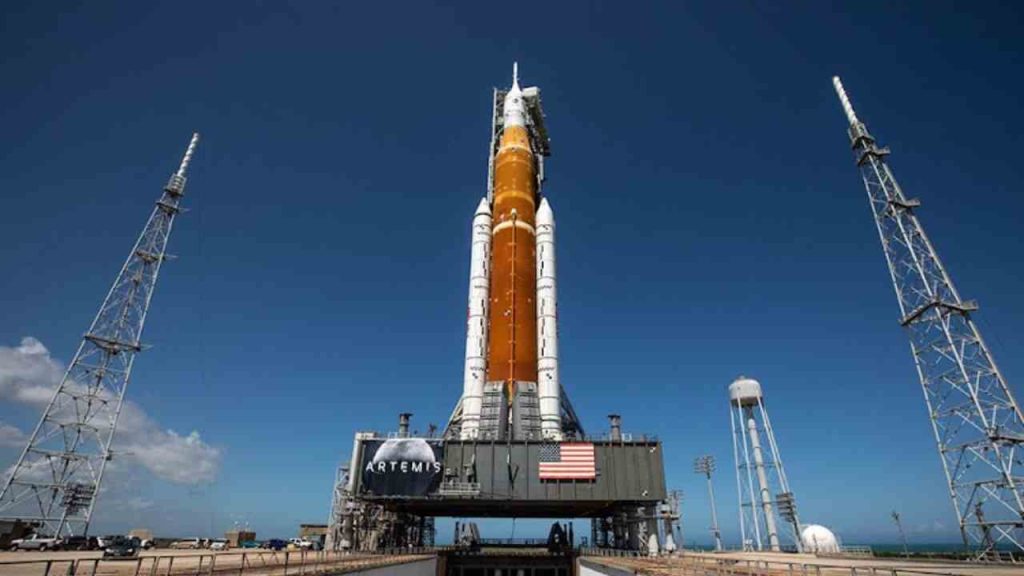
NASA Readies Heavy Lift Rocket That Will Take Humans to the Moon

As astronauts of the Artemis mission continue training for their upcoming journey to the Moon, NASA is busy readying the spacecraft that will carry them. The agency’s heavy-lift rocket, the Space Launch System (SLS), is getting a thorough workout to prepare it for the mission. Technicians at the Michoud Assembly Facility, located inside Kennedy Space Center in Florida, recently completed a substantial portion of a weld confidence article for the advanced upper stage of the SLS, which includes 33 engines.

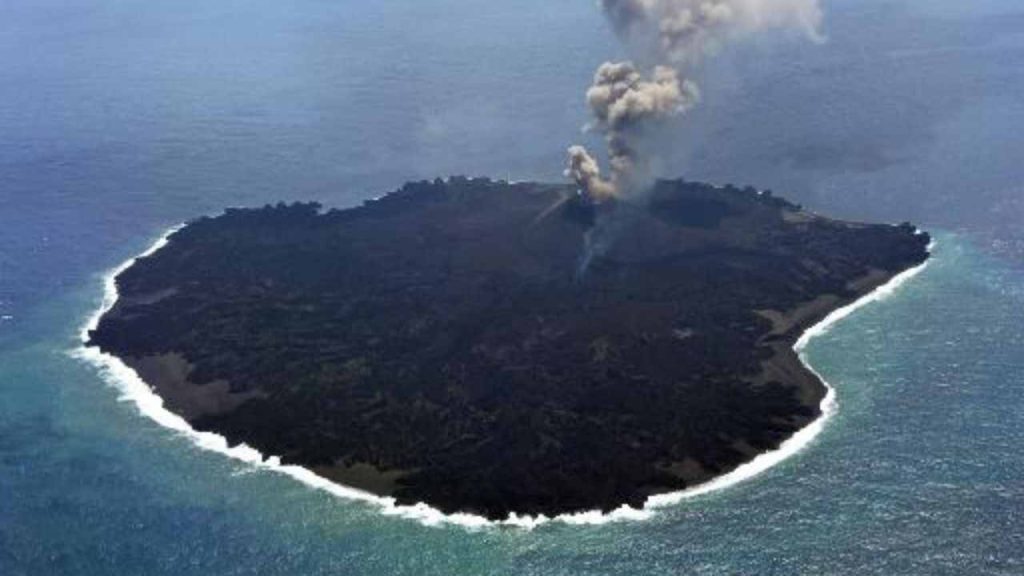
Volcanic Eruption Creates New Island Off the Coast of Japan

Eruptions from an underwater volcano have created a new island off the coast of Japan. The islet lies in the Ogasawara island chain more than 1,000 kilometers south of Tokyo in the Pacific Ocean. The islet emerged near the crater of the Home Reef seamount, which began spewing lava and ash earlier this month, according to NASA’s Earth Observatory. It grew from a small island within 11 hours of the eruption and measured roughly 50 feet in height as of

NASA’s Kepler Telescope Discovers Alien Solar System with Seven Earth-Sized Planets

Five years ago, newspapers ran front-page headlines announcing that the first seven Earth-sized planets had been discovered outside our solar system. The discovery revealed that complex life may exist elsewhere in the universe. A discovery has raised my curiosity even more. Astronomers say that a star called TRAPPIST-1 hosts a close-knit system of seven sweltering, Earth-size planets. It’s the largest planetary haul ever found beyond our sun. And this time, astronomers have made a giant leap in their understanding of

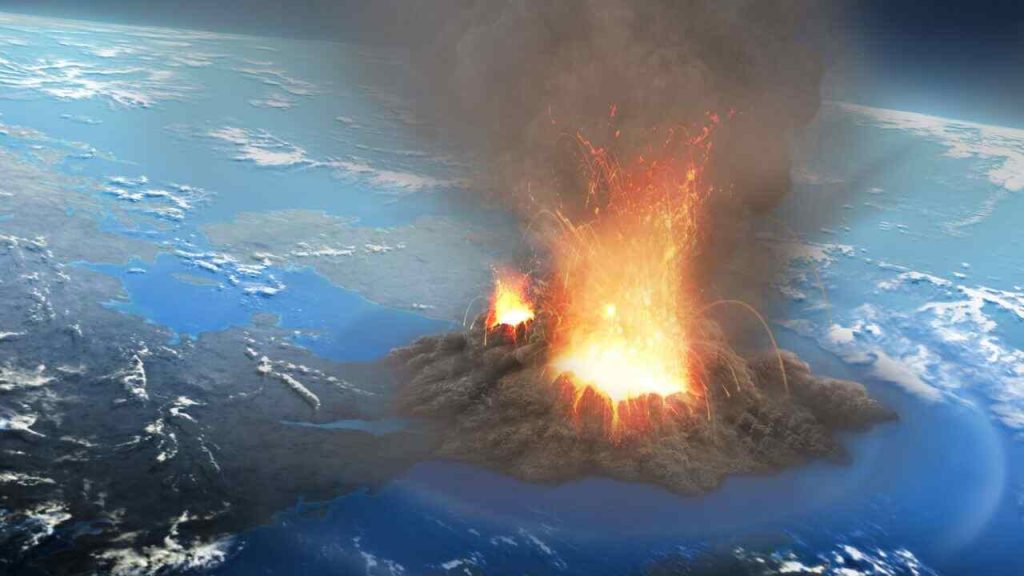
Ancient Supervolcano, Inactive for 760,000 Years, Exhibiting Signs of Imminent Activity

In the Eastern Sierra Nevada mountains of California, a region known as the Long Valley Caldera has been exhibiting signs of unrest since the 1980s. This area, which sits atop a dormant supervolcano, has experienced swarms of earthquakes and ground inflation of nearly half an inch per year during these periods. These signs of unrest indicate magma rising from deep within the Earth’s crust to form a new volcano. Scientists are monitoring the volcano closely and have found that although

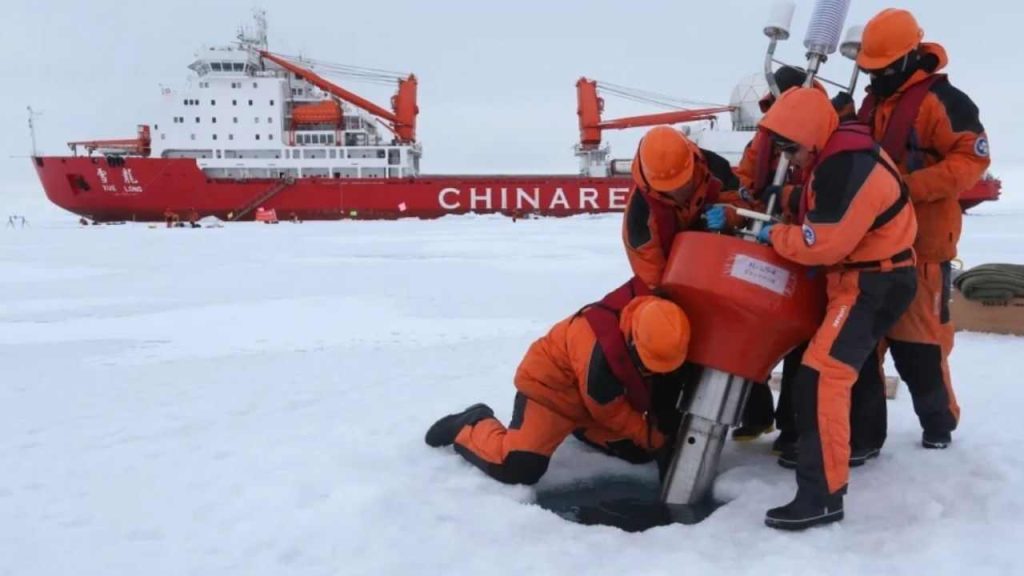
China Deploys Largest Antarctic Fleet to Build Fifth Research Station

Two Chinese icebreaker research vessels and a cargo ship set sail today for the Antarctic with more than 460 personnel on board to help complete the construction of China’s fifth station on the world’s southernmost continent. The deployment of China’s most enormous flotilla of research vessels to the Antarctic is a significant step in Beijing’s expanding presence on the continent as its scientific and technological ambitions grow. China is already operating four bases, four field camps, and three airfields in

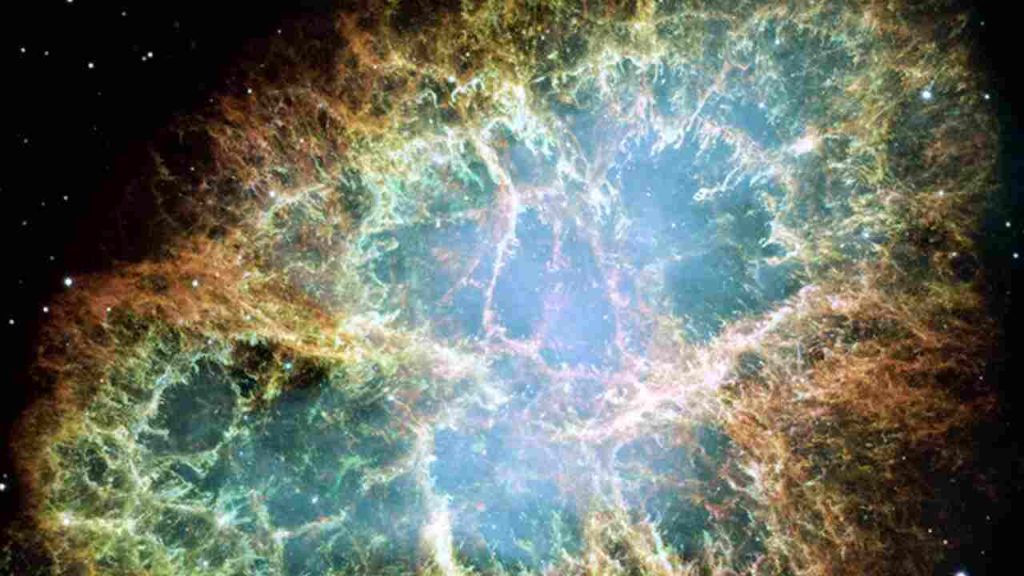
Webb’s Image of the Crab Nebula Shows the Beauty and Destruction of Supernova Explosions

Nasas James Webb Space Telescope has recently captured unprecedented images of the Crab Nebula, a supernova remnant first recorded by Japanese and Chinese astronomers nearly 1,000 years ago. These new images reveal exquisite details, helping scientists unravel the nebula’s complex history. The nebula, which is also known as M1 or the Crab Nebula, is located 6,500 light-years away from Earth. Its most visible feature is a translucent network of red and orange filaments. These filaments are made of dust grains

Youthful Pioneers: China Prepares to Dispatch Its Youngest Astronaut Crew to Space Station

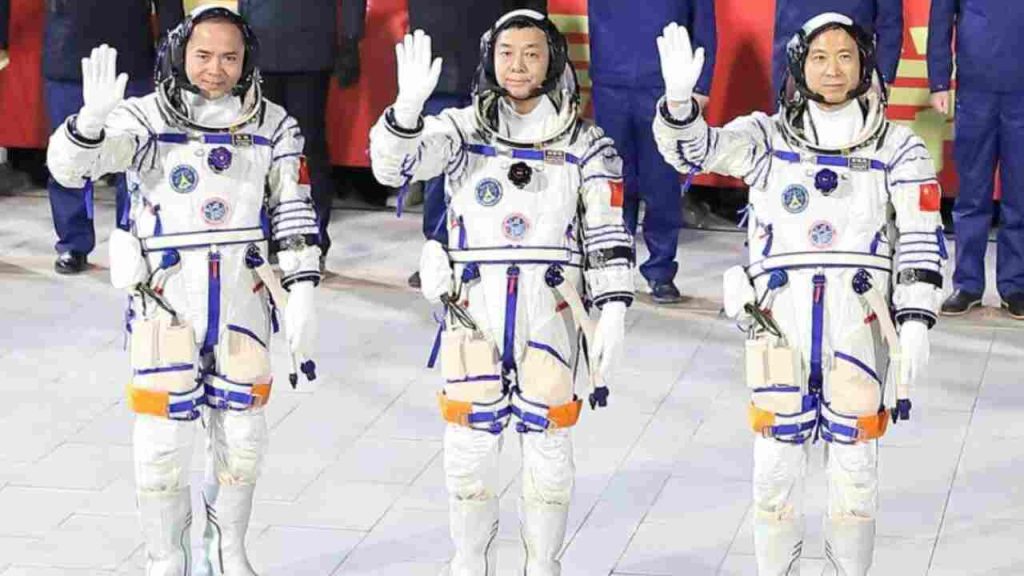
CHINA will launch its youngest-ever crew of astronauts to the Tiangong space station this week as Beijing pursues plans for a human-crewed mission to the Moon by the decade’s end. Tiangong is the crown jewel of Beijing’s burgeoning space program, which has also landed robotic rovers on Mars and the Moon and made China the third country to put humans in orbit. The Shenzhou-17 mission trio – commander Tang Hongbo, who was born in October 1975 and is now aged

NASA’s Commercial Resupply Services Mission to the International Space Station (ISS)

The International Space Station is more than just a home for astronauts; it’s a unique research platform in low Earth orbit that supports hundreds of scientific experiments and technology demonstrations. Advances in space station science help prepare people for long-duration space travel to the Moon and Mars while improving life on Earth. The 29th SpaceX commercial resupply services (CRS) mission, scheduled for launch on November 5, will deliver several projects to the orbiting laboratory. The uncrewed Dragon spacecraft will carry

50-Year-Old Lunar Rock Analysis Sheds Light on Moon’s Historical Age

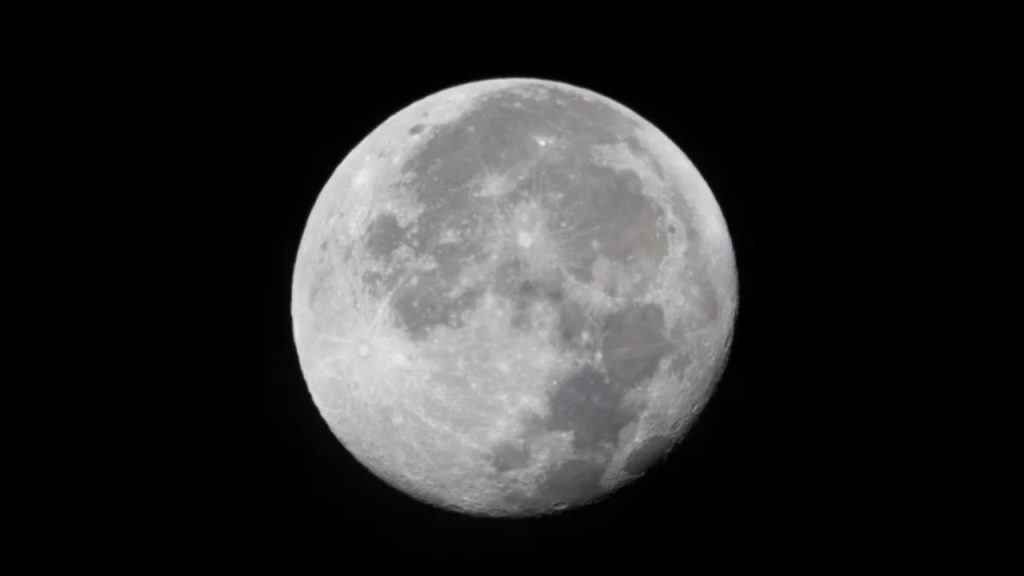
Over four billion years ago, a giant object the size of Mars slammed into Earth and caused a piece of the planet to break off to form our Moon. Exactly when that happened has long remained a mystery, but new research may have uncovered the answer. A reanalysis of lunar rock has pushed back the age of the Moon by 40 million years, making it at least 4.46 billion years old. The research was published in Geochemical Perspectives Letters. Scientists

1 12 13 14 15 16 18