
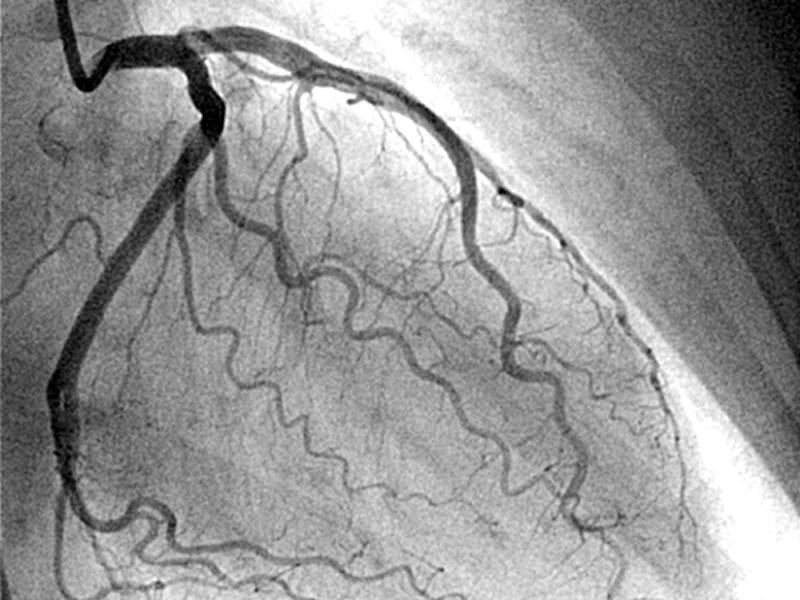
A coronary angiogram is both a diagnostic X-ray imaging procedure and a treatment for coronary artery disease (CAD), using the cardiac catheterization technique by inserting a 2 mm-diameter catheter along the artery through the wrist, elbow, or groin up to the coronary arteries and injecting a contrast dye to take x-ray images to allow the visualization of the condition inside the coronary arteries.
Doctors may recommend a coronary angiogram for individuals who experience chest pain, shortness of breath, or other symptoms suggestive of heart disease. Things are not any different for individuals who are at high risk for heart disease, including those with a family history of heart disease, high cholesterol, or high blood pressure.
Actually, coronary angiogram is regarded as the gold standard for diagnosing coronary disease, which is brough about by the accumulation of fat, tartar, or blood clots along coronary artery walls. This leads to a narrowed or blocked coronary arteries and occlusion of blood flow to the cardiac muscle.
Ther narrowing leads to chest pain, dizziness, profuse sweating, and shortness of breath and eventually causes a dangerous acute myocardial infraction or chronic myocardial ischemia, which results in heart attacks.
You’d be surprised to learn that the vast majority of individuals with coronary artery disease exhibit no signs or symptoms. But as they age, the accumulated fat in the arteries will gradually build up, eventually lead to an acute myocardial infarction and sudden death.
While a Coronary Angiogram is a generally safe procedure, there are some risks to be aware of: allergic reactions, vascular injury, blood clots, kidney problems, and an infection. After undergoing coronary angiogram, you need to stay in the hospital for a day to monitor for complications.
Remember, the insertion site must be kept clean and free from pressure to prevent infection or bleeding. You should also drink plenty of water since it helps flush the contrast dye from the bye. Patients should avoid strenuous activities for a few days after the procedure, and prioritize regular check-ups to monitor heart health and any further treatment.
Those who take medication to treat chronic diseases, such as blood thinners can resume taking the medication the next day. Anyone experiencing unusual symptoms such as pain, swelling, chest tightness, nausea, vomiting, bruising, a swollen red, being unable to lie down, or severe pain in any area should seek medical attention right away.