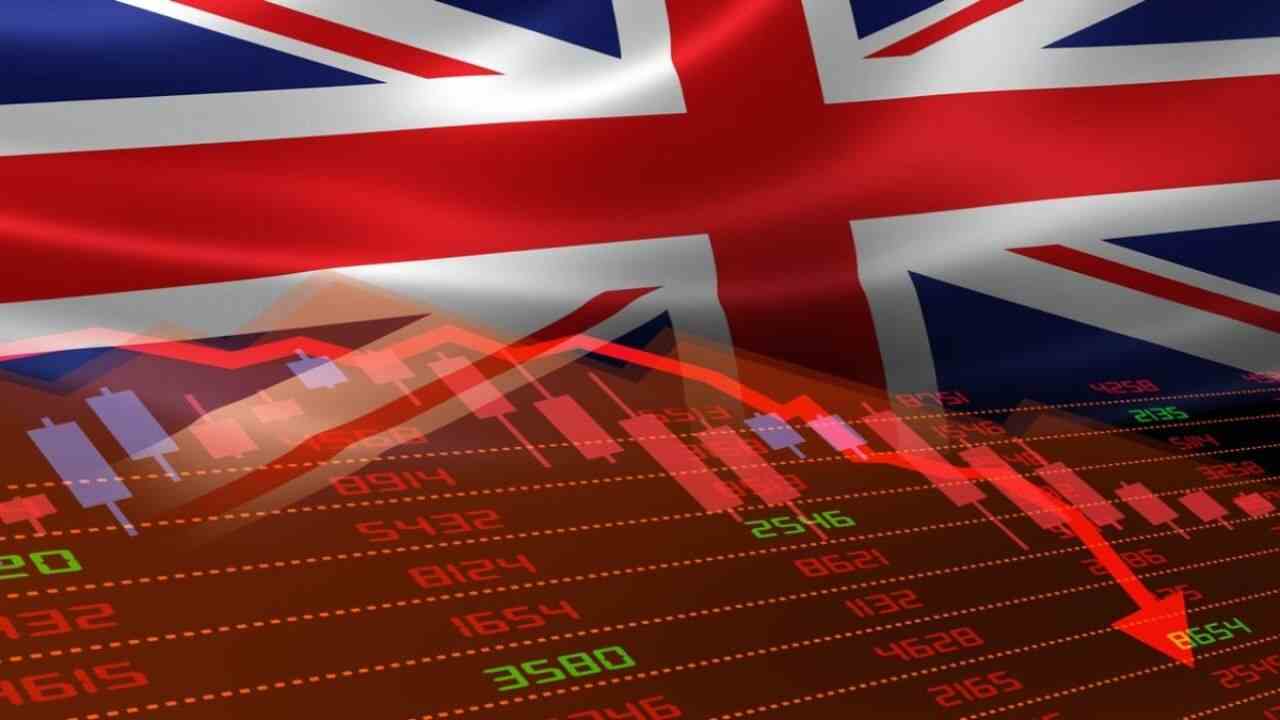
Last year concluded with the UK economy slipping into recession, primarily attributed to soaring inflation and a challenging cost-of-living situation. This setback proved challenging for Prime Minister Rishi Sunak ahead of the upcoming election. According to the Office for National Statistics (ONS), the gross domestic product contracted by 0.3 percent in the fourth quarter of 2023, following a 0.1 percent decline in the preceding three months, as reported in a statement released on Thursday. A technical recession is defined as two consecutive quarters of falling GDP. The news is a setback for the government, which has made growing the economy one of its top five priorities.
The country’s weakest economic performance since 2009 — during the financial crisis — came as consumers struggled with soaring energy bills, rising food prices, and a housing market that was increasingly out of reach for many households. The ONS said a slowdown in services and construction and a contraction in the wholesale, manufacturing, and retail sectors weighed on growth. But a rise in the construction sector from the previous quarter helped to counteract some of the downward pressure on GDP from services and retail.
Inflation remains near a record high, squeezing household incomes and pushing debt repayments for homeowners. It has been partly driven by the UK’s role as a net importer of fuel and other global factors, including soaring oil and gas prices. But the Bank of England has been raising interest rates to bring down inflation, double the central bank’s target. The move has made borrowing more expensive for consumers, businesses, and banks.
With household incomes under pressure, people may cut back on spending or look to save money by deferring large purchases, which could weigh on growth in the near term. That’s particularly true if businesses reduce their hiring plans as they try to navigate the slowdown.
The Brexit vote and uncertainty surrounding Britain’s future relationship with the EU also appear to have significantly impacted consumer confidence. The ONS data comes days before the Office for Budget Responsibility’s annual economic forecast. It’s expected to be subdued, with the OBR forecasting 0.7% growth for the UK.
Chancellor Jeremy Hunt will deliver his first budget next month. Still, it’s unclear whether the Conservative government can turn around the sluggish economy in time for this year’s general election, scheduled for 7 June. Rachel Reeves, the shadow chancellor who would be treasury secretary if Labour wins the election, said Thursday’s news was “deeply worrying” for families across Britain. She urged Hunt to “show he dares to put our families first” by cutting taxes, though with public finances stretched, that will be hard to do. She also urged him to boost real wages. The Resolution Foundation, a think tank, says families have already seen their living standards fall for two years. It adds that they are 4.2 percent below their pre-cost-of-living crisis peak, equivalent to PS1,500 per household.