Key Highlights:
- Lack of sleep though is now thought of as a cause of endocrine dysfunction rather than a consequence.
- The secretion of growth hormone during the deep sleep cycle emphasizes the role of sleep as a recovery tool.
- The cascade that functions that upon dysregulation of cortisol following sleep deprivation carries on to have broad effects on metabolism, immunity, and mood.
- The tragically common abuse of melatonin they are timing drugs, not sleep drugs.
- The commercially driven marketplace with sleep has grown to such an extent that many of the products are not supported by clinical evidence.
Sleep and hormones are not separate issues they are the same system, just looking at it from a different perspective. Long-term sleep disturbance by itself can cause adrenal cortisol imbalance, lipolytic hormone suppression, and reproductive hormone suppression. As this science continues to enter the mainstream, it is changing the reality of what WE think of as “wellness”.
For many, sleep medicine and endocrinology ran in parallel. Whenever a patient was suffering from fatigue, he would go through to sleep clinic; if he was having hormone problems, he would go to a specialist.
Such a divide is now harder and harder to sustain. The evidence associating sleep architecture with hormonal production has become broadly stable now that practitioners and much of the wellness industry and them are sorting the pair into a single, whole system. What this means in practical terms is that if you seek to improve your hormones without considering your sleep, you’re tackling half the issue.
Cortisol shows normal diurnal variation with a peak at a few minutes after waking and a gradual decline through the evening for sleep initiation. Sleep loss causes a flattening of this curve in both directions: attenuation of the rise in AM, which gives alertness and energy, and increased levels in the PM, which should be declining.
In fact. Looking at time of day, high evening cortisol actually is linked with insulin resistance, greater hunger for high-calorie foods, and reduced immune function. This reflects the common co-occurrence of poor sleep and metabolic problems a shared hormonal pathway.
Most of this level of adults’ growth hormone release emanates during the deep sleep phase of the sleep cycles low wave sleep. This makes sense: growth hormone is involved in tissue repair, fat utilization, and cell maintenance, and if to get enough sleep is otherwise cut short or broken up, and we spend less time in slow wave sleep, the hormone’s reparative effects are diminished.
This is mostly relevant for athletic recovery and aging. The age related decline in growth hormone is real enough, but it is largely massively speeded up by the decline in sleep quality that seems to go with age. Working on this is one of only a few non-drug interventions that can be made.
Related:
- The Invisible Architecture of Health: Why Vitamins Deserve a Seat at Every Meal
- Are You Really Ready to Lift? What Happens Before the Gym Matters More Than You Think
- Women’s Health: The Importance of Regular Screenings and Checkups
- Why Diabetes Has Become the Defining Health Crisis of Our Time
The production of testosterone correlates to sleep, with most of daily secretion happening in the middle of the night. Research on healthy males have demonstrated significant decline in testosterone following only one week of sleep curtailment to 5 hours per night. In females, poor sleep dysregulates estrogen and progesterone circulation leading to irritability and other PMS, peri-menopausal, and thyroid symptoms.
These are not modest effects. So profound are they that both clinical and self-directed hormone tuning protocols that treat laboratory values but neglect sleep quality have been “solving for the output and ignoring the factory.”
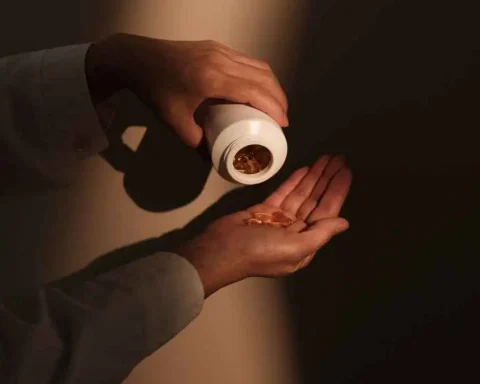
There hasn’t been a supplement that has completely taken over the sleep discussion like this one, and there are few supplements as tainted with misinformation as this one. Melatonin is not a sedative, and it is not a sleep-promoting drug. Melatonin is a timing hormone, and that’s it. It tells the body it’s dark, and the time to sleep has come.
The use of supra-physiological doses of five to ten milligrams is now par for the course and probably less physiologically relevant. MELATONIN: THE PHILOSOPHICAL CASE. The clinical logic of melatonin would seem to lie in smaller doses taken at circadian appropriate schedules which is mostly relevant to shift workers or airline travelers with jet lag. As a single dose for bad sleep hygiene, I can find little evidence.
This increased emphasis on sleep in the commercial wellness industry can generally be seen as a positive development. The spread of wearable devices that estimate sleep stages, monitor heart rate variability, and compute recovery scores have increased the general populace’s consciousness about sleep as a dimension of wellness that can be actively and meaningfully controlled. That consciousness has practical value.
It’s in the commercialization of complexity. Products sold as “hormone support, ” “cortisol management, ” and “deep sleep facilitators” intrude into a category where evidence isn’t robust, and marketing speaking capabilities tend to outrun the science. A science-savvy consumer will be more adept at sorting the wheat from the chaff.
The evidence for sleep as a fundamental to hormone health isn’t coming from the expensive supplement line. It’s coming from the fundamental body-mind. And suddenly, mainstream culture appears to be waking up to it. To improve energy, body composition, mental well-being, longevity sleep quality is no longer a lifestyle choice. It is now a clinical parameter that influences everything.