
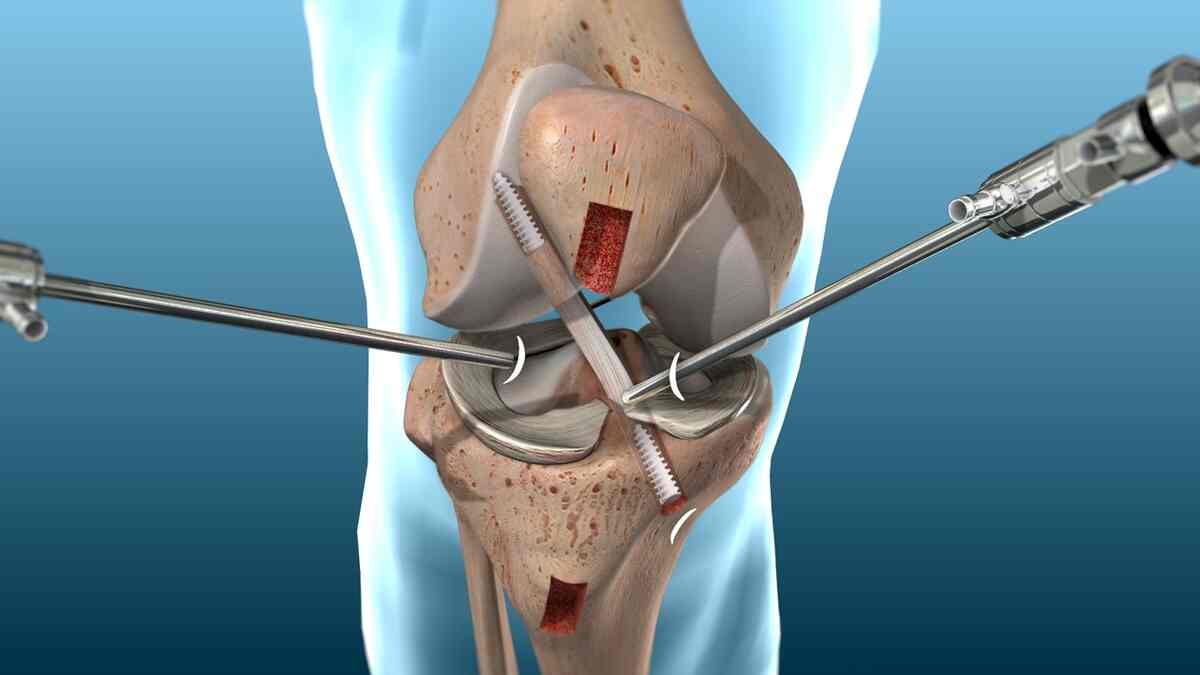
Advancements in anterior cruciate ligament surgery are redefining how athletes recover from one of the most feared injuries in professional and competitive sports. Once considered a career-threatening setback, ACL injuries are now being treated with cutting-edge surgical techniques that significantly shorten recovery timelines while improving long-term joint stability. From elite footballers to motorsport competitors, athletes across the globe are benefiting from a new era of sports medicine innovation.
The ACL plays a crucial role in stabilizing the knee during rapid movements such as pivoting, jumping, and sudden directional changes. Injuries to this ligament are common in sports like football, basketball, skiing, and racing disciplines that place extreme stress on the lower body. Traditional reconstruction surgeries, while effective, often required long rehabilitation periods and carried risks of re-injury or reduced athletic performance. Recent breakthroughs are changing that narrative.
One of the most impactful developments is the refinement of graft selection and placement. Surgeons are now using personalized graft strategies based on an athlete’s sport, biomechanics, and injury history. This tailored approach improves knee function and reduces strain on surrounding tissues, allowing athletes to regain confidence in movement much earlier than before. Precision-guided surgical tools and advanced imaging also ensure more accurate ligament placement, which is critical for long-term success.
Another major leap forward is the integration of biologically enhanced healing. Surgeons are increasingly using cell-based therapies and growth factor techniques to accelerate tissue regeneration. These methods stimulate faster integration of the reconstructed ligament with the bone, strengthening the knee during the critical early stages of recovery. Sports medicine specialists report that athletes undergoing these procedures show improved stability and reduced inflammation compared to conventional methods.
Institutions such as Marshall Health Network have been at the forefront of applying innovative ACL repair techniques, combining surgical precision with regenerative medicine. Their approach reflects a broader global trend where hospitals and sports clinics collaborate closely with researchers to translate laboratory breakthroughs into real-world athletic recovery.
Minimally invasive surgical techniques have also played a key role in improving outcomes. Smaller incisions, reduced trauma to surrounding muscles, and refined arthroscopic tools mean less post-operative pain and quicker mobility. Athletes can begin controlled movement sooner, which is essential for maintaining muscle strength and preventing stiffness during rehabilitation.
Equally important is the evolution of post-surgery rehabilitation programs. Modern ACL recovery is no longer a one-size-fits-all process. Data-driven rehabilitation plans now use motion tracking, wearable sensors, and AI-powered assessments to monitor progress in real time. Physical therapists can adjust training intensity based on how the knee responds, reducing the risk of overloading the joint while still pushing for optimal performance gains.
For motorsport competitors, these innovations are particularly significant. High-speed racing places unique stress on the knees due to sustained braking forces and rapid reflex movements. Improved ACL recovery allows drivers to return to competition with greater stability and reduced risk, addressing a long-standing concern in motorsport safety and longevity.
The psychological aspect of recovery is also being addressed more effectively. Faster physical healing, combined with measurable performance data, helps athletes rebuild trust in their injured knee. Confidence is a critical factor in returning to peak performance, and modern ACL treatments are proving to be as much about mental readiness as physical repair.
As sports continue to grow faster and more demanding, the importance of reliable injury recovery cannot be overstated. The latest ACL surgical innovations represent a turning point, transforming a once-devastating injury into a manageable obstacle rather than a defining limitation. With ongoing research and technological integration, the future of athletic recovery looks stronger, faster, and more resilient than ever before.